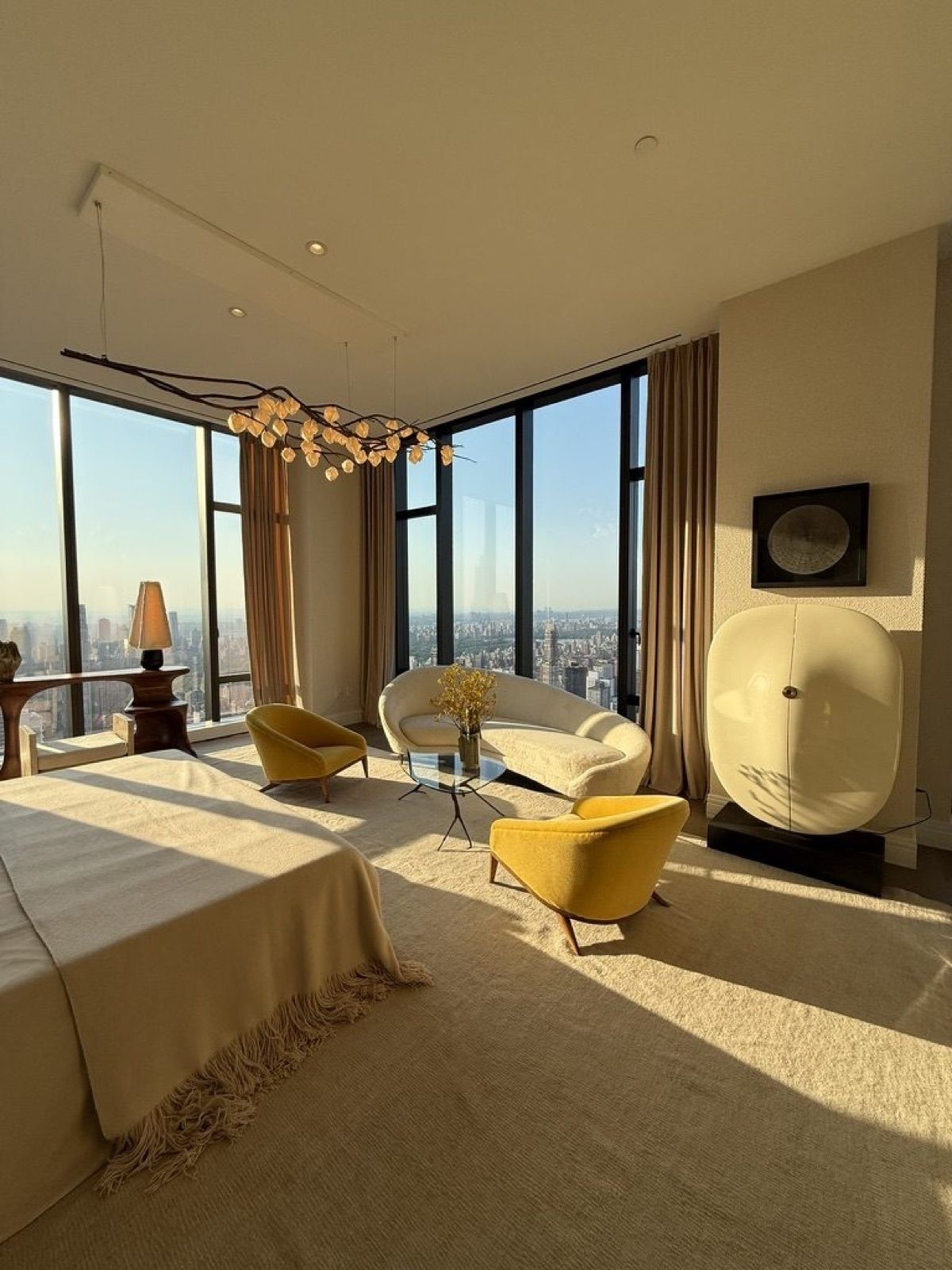
It’s evening, 80 floors over Sutton Place, with the East River laid out through the glass. A Charlotte Perriand shelf on one wall. A Carlo Bugatti chair in the corner. In one of the bedrooms, a pair of yellow Jean Royère armchairs against a white-lacquer cabinet by François Cante-Pacos, and the two of them look as though they were always meant for each other. They weren’t. The Royère comes from one world and the cabinet from another. Someone put them in the same room and made them agree.
That someone is Julie Hillman. The room isn’t hers, the chairs aren’t hers, and almost nothing here is where it started. This is Nancy Gabriel’s apartment, about $6m of collectible design in it, and all of it is for sale. The show is called The Cultivated Eye, and it’s the first Hillman has put together. Over the same day I see two more like it, both in townhouses, both done up as someone’s home. By the third I’m not really looking at the furniture any more. I’m looking at the hand that arranged it.
Because that’s what these rooms are selling you, under the price list: not the chair, but the decision to put it exactly there.
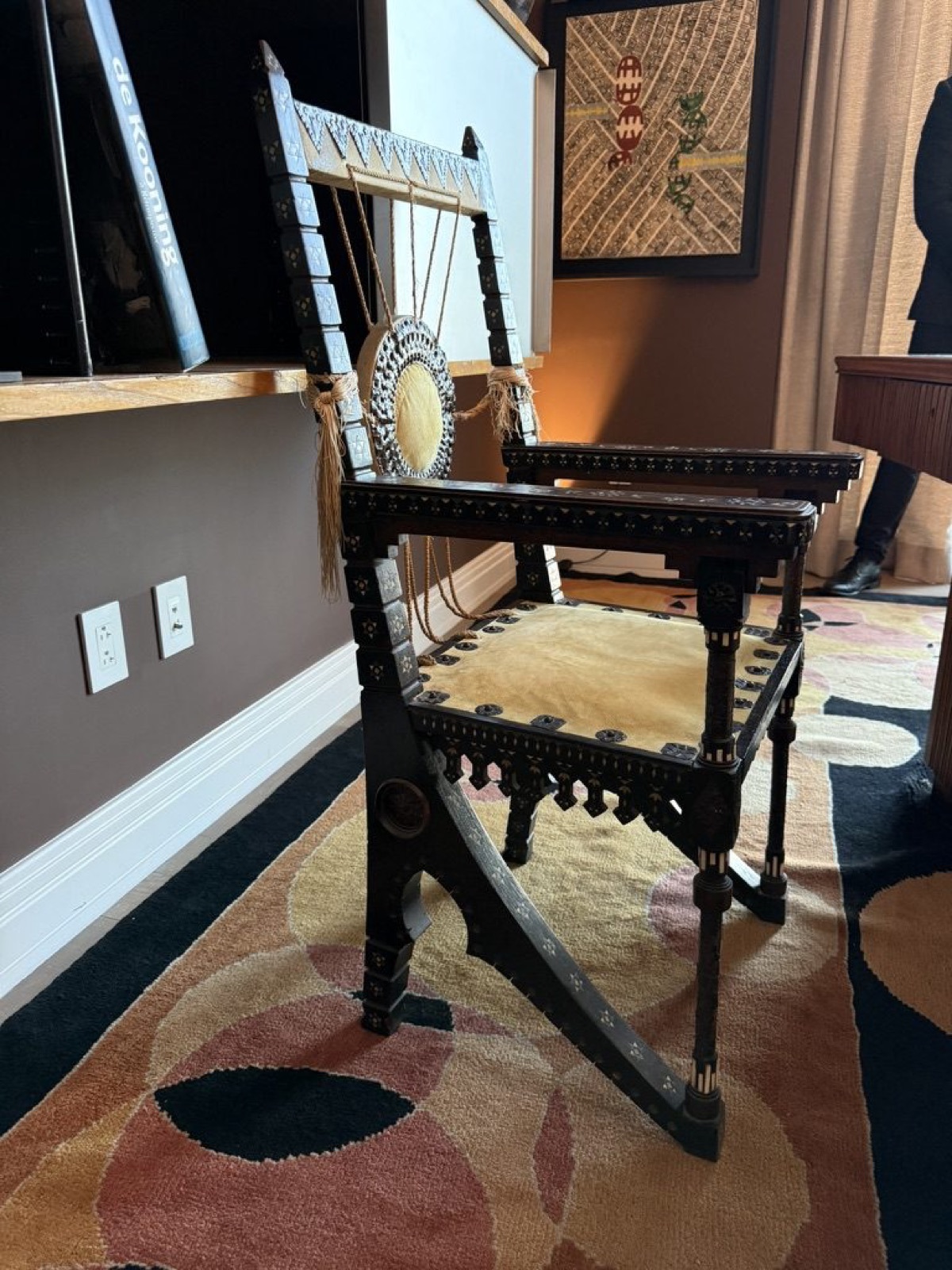
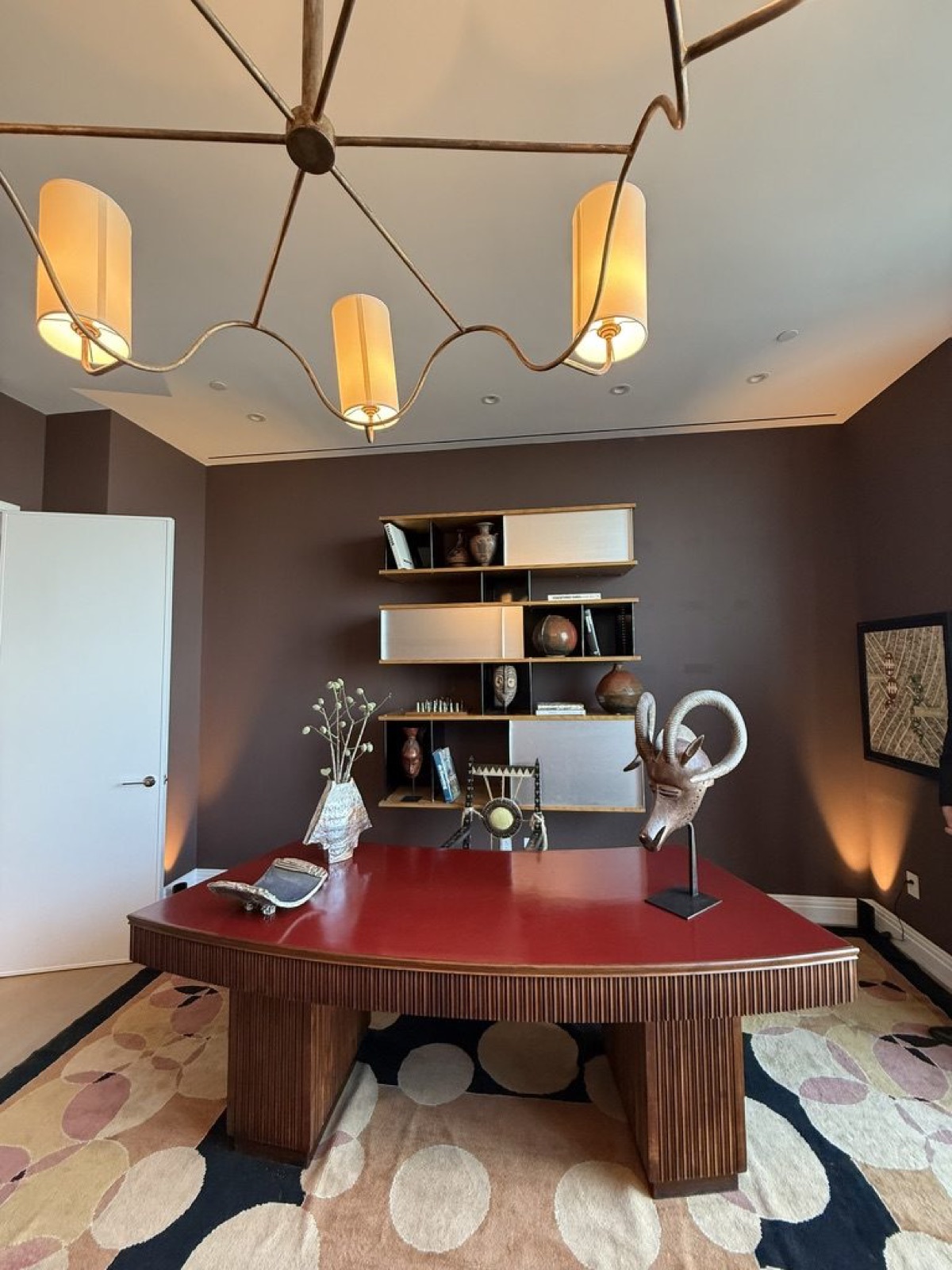
A fair would never let you see it. A booth gives you the chair on its own, well lit, with room to walk around it, and asks you to judge it cold. You learn what the chair is. You don’t learn what it’s like to live with. A home tells you the second thing and skips the first. The Royère looks inevitable only because the cabinet is behind it, the light is right, the floor is good, and nothing in the room is fighting it. Take any one piece out of here and it’s still a fine piece. Put it back and it’s part of an argument.
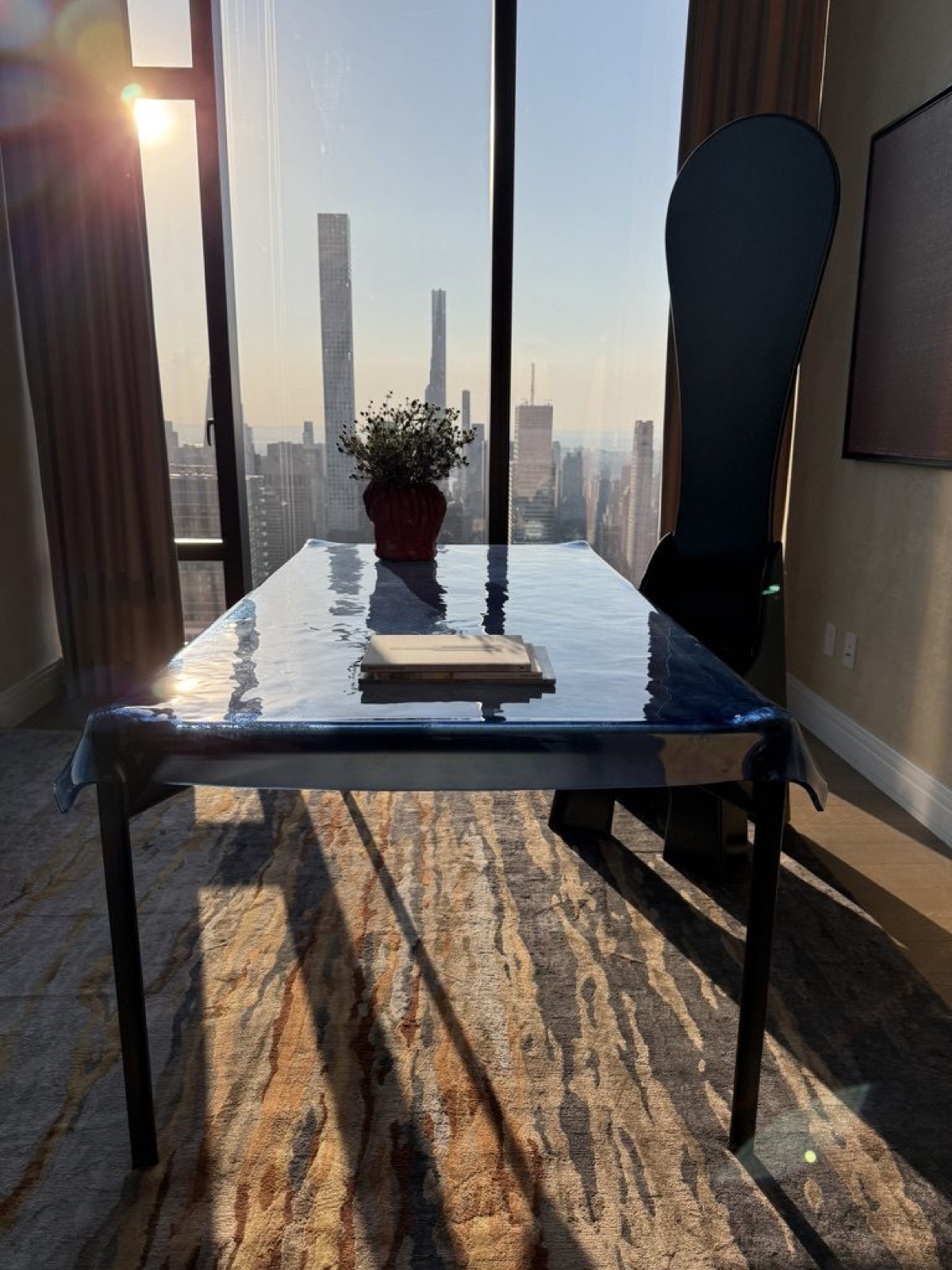
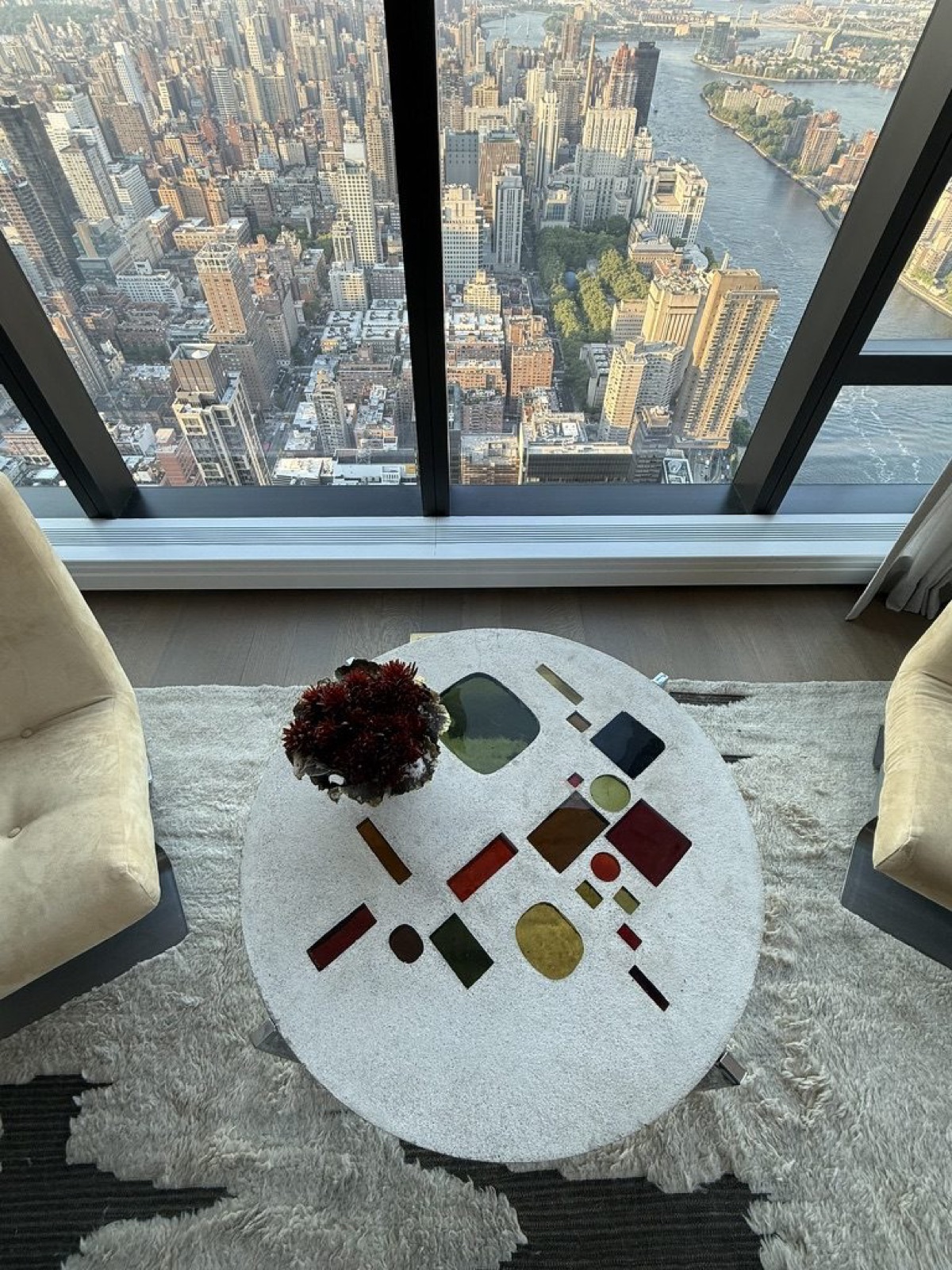
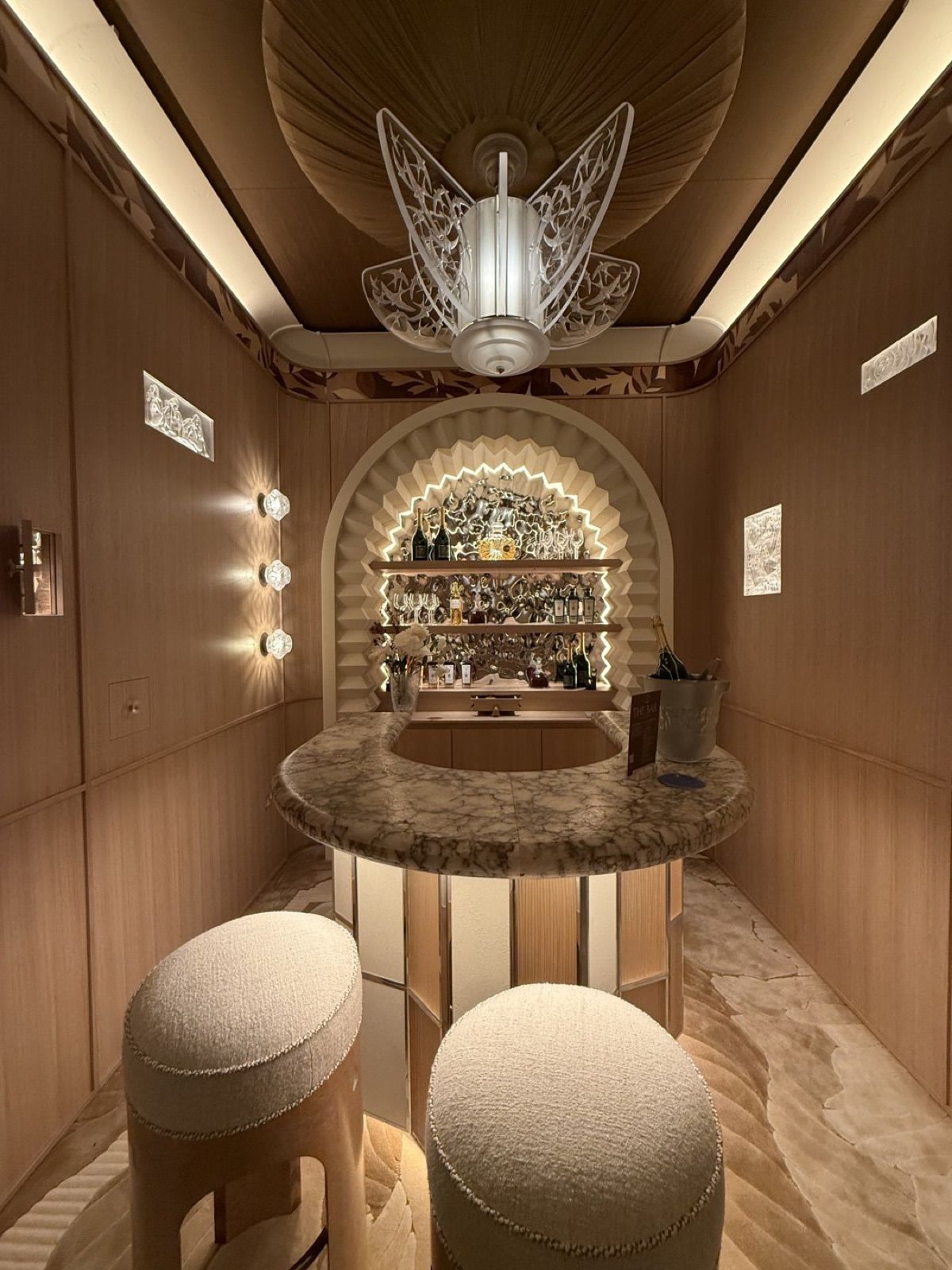
The argument is the product, and the useful thing to grasp while you’re standing there with a glass of something is that it’s for sale too. Not on the price list, which covers the chairs. You buy the argument by hiring the person who made it. Hillman is an interior designer, and a selling show she has arranged inside a collector’s penthouse is, among other things, the best advertisement she will run all year. The Invisible Collection, uptown in its own townhouse, sells the bespoke editions of the designers it represents, which is to say it sells the designers. The Future Perfect runs its house as Casa Perfect and treats the whole place as the pitch.
The objects have prices. The eye has a fee.
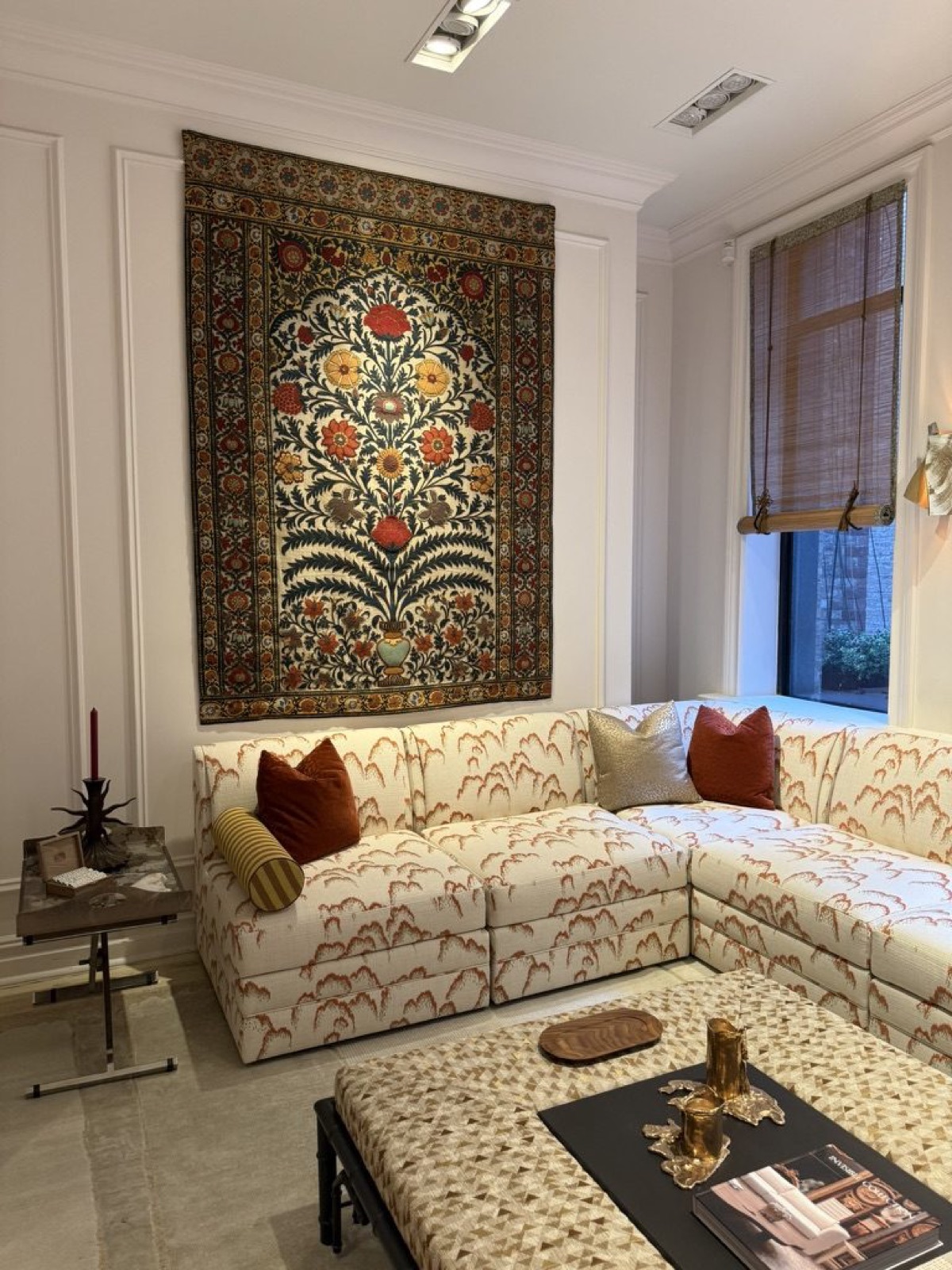
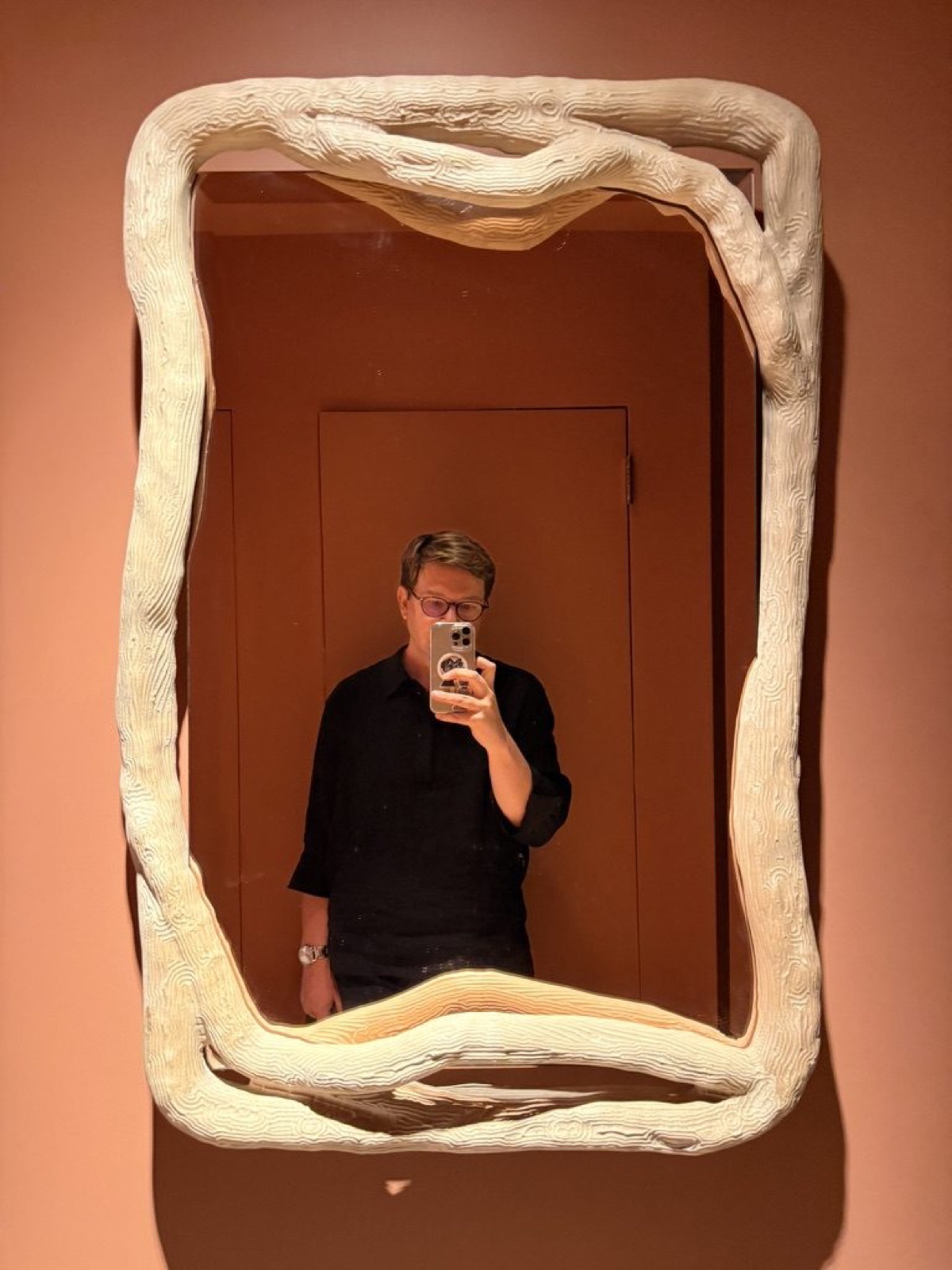
It’s the bigger number, too. Most of what’s in Gabriel’s apartment isn’t Gabriel’s. The show borrows from Gastou, Salon 94, Lucas Ratton and a private collection or two, and gives the lot the coherence of one home. What you’d really pay a premium for, if you wanted your own rooms to do this, is the assembling. The furniture is the sample of it.
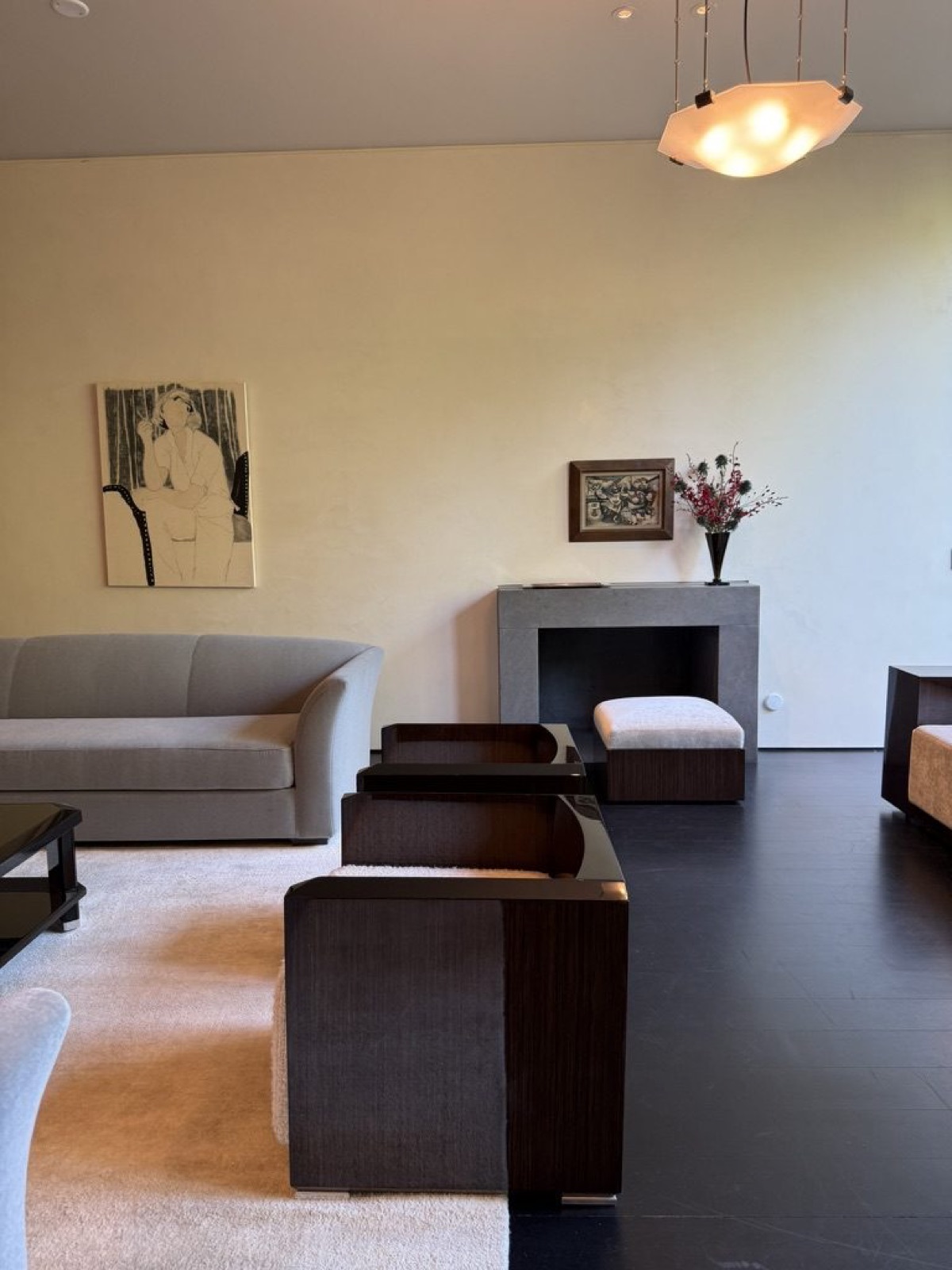
The clearest version is downtown, where The Future Perfect has handed a West Village townhouse to Athena Calderone. Assembler I is her first furniture collection: 14 pieces, held together because she took one detail, a chamfered edge off a 1930s Daum vase, and ran it through all of them. A chair, a table and a lamp, and they read as a family. In the house, with the rooms built around them, you see it at once. You also see the catch. You can buy one. You will buy one, because nobody furnishes a flat 14 pieces at a time. And the piece you carry home is a good piece that has lost its family. The rhyme between all 14, the thing that made you want it, stays in the house. Calderone designed the whole. The market sells it by the part.
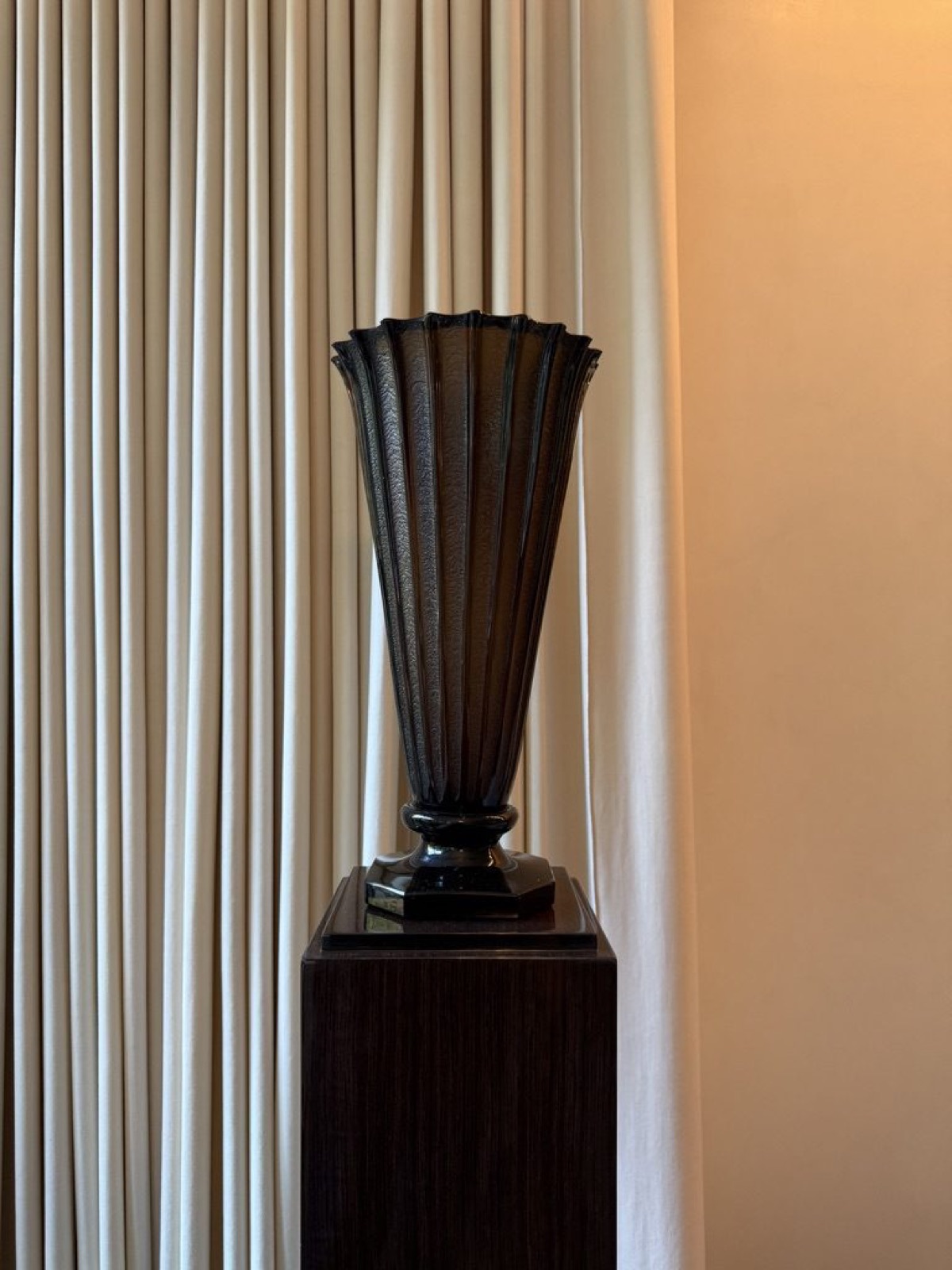
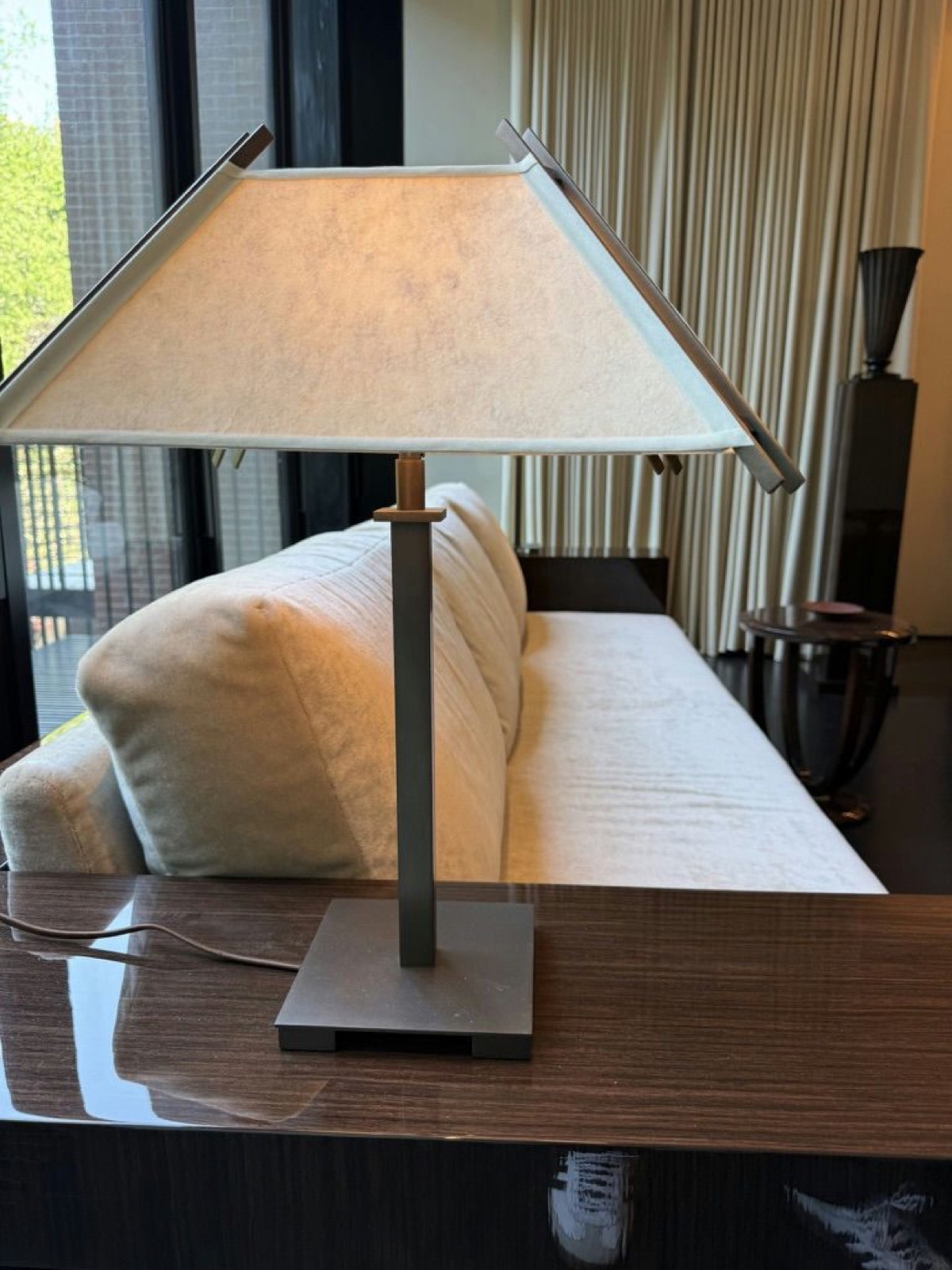
So here’s the use in a day like this, worth more than any single label. When a room makes you want something, work out what you actually want. If it’s the object, good, buy the object, it’ll serve you well. But if what you want is the feeling of the room, the object won’t carry it home, and you have two honest options. Hire the eye, which is the expensive thing and the real thing on offer. Or do what I do, and take the method instead of the chair. Watch how the pieces are set against each other, and what large things really do once there’s a ceiling and a sofa in the way. Notice how one repeated detail pulls a whole set together. None of that is on the price list, and all of it is yours to keep.
See them in order if you can, biggest to smallest. The Cultivated Eye is at Galerie Gabriel, by appointment, until 30 November. The Invisible Collection’s townhouse is open on the Upper East Side. Calderone’s Assembler I is at The Future Perfect until 26 June. Gabriel, then the Invisible Collection, then Calderone, and the whole idea is plain by the third door.