It’s the collectors’ evening at TEFAF New York, 14 May, and the Park Avenue Armory is doing the thing it does best. Oyster shuckers at the back of the drill hall. Champagne moving through the crowd on trays. Spring florals the size of small trees. A low roar that starts when the doors open at 11 and never quite drops all night.
What there isn’t much of, on Thursday night, is looking at the art.
A fair preview is three things at once, and they don’t happen at the same time. It’s a place to be seen, a place to be written about, and a place to see the work. Thursday is the first two. The third you do later, on a quieter day, when you can hear yourself think.
So the opening night is for being in the room. The aisles fill with people who aren’t strictly here for the art, they’re here to be here while it happens, and the booths turn into backdrops. The bronze Lalanne creature parked out in the aisle is a meeting point as much as a sculpture. You spend the evening running into people in front of the work rather than looking at it, and that’s the point of the evening, not a distraction from it.
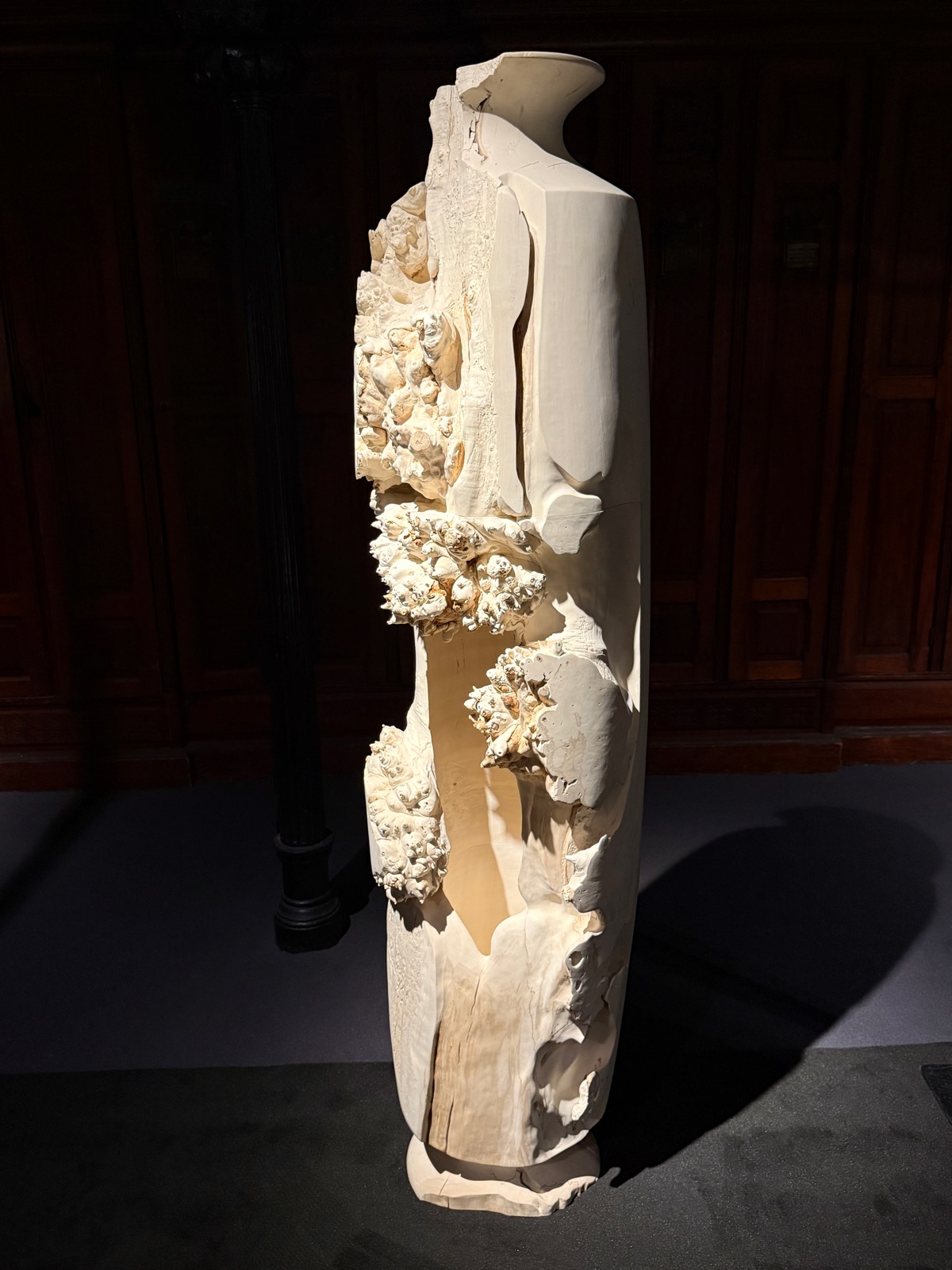
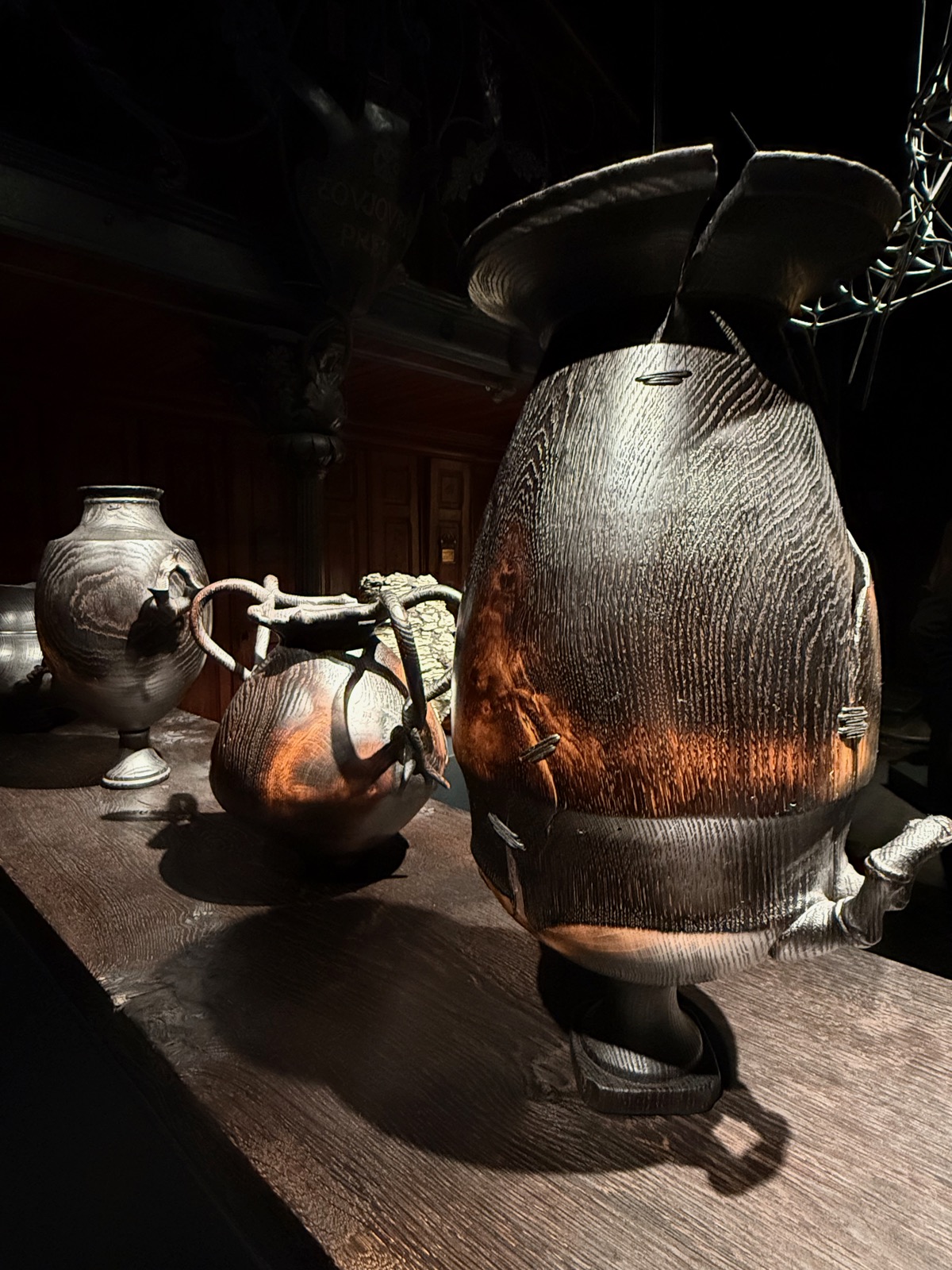
At the Sarah Myerscough stand, Gavin Munro’s grown willow chairs and Eleanor Lakelin’s bleached burr. I had both makers in a room in London earlier this year, Zoe Wilson alongside them, at an evening I hosted for Hiscox’s private clients. Good to see British craft at this level in New York, among the blue-chip names. Half the pleasure of a Thursday is finding the work you already know in a building full of work you don’t.
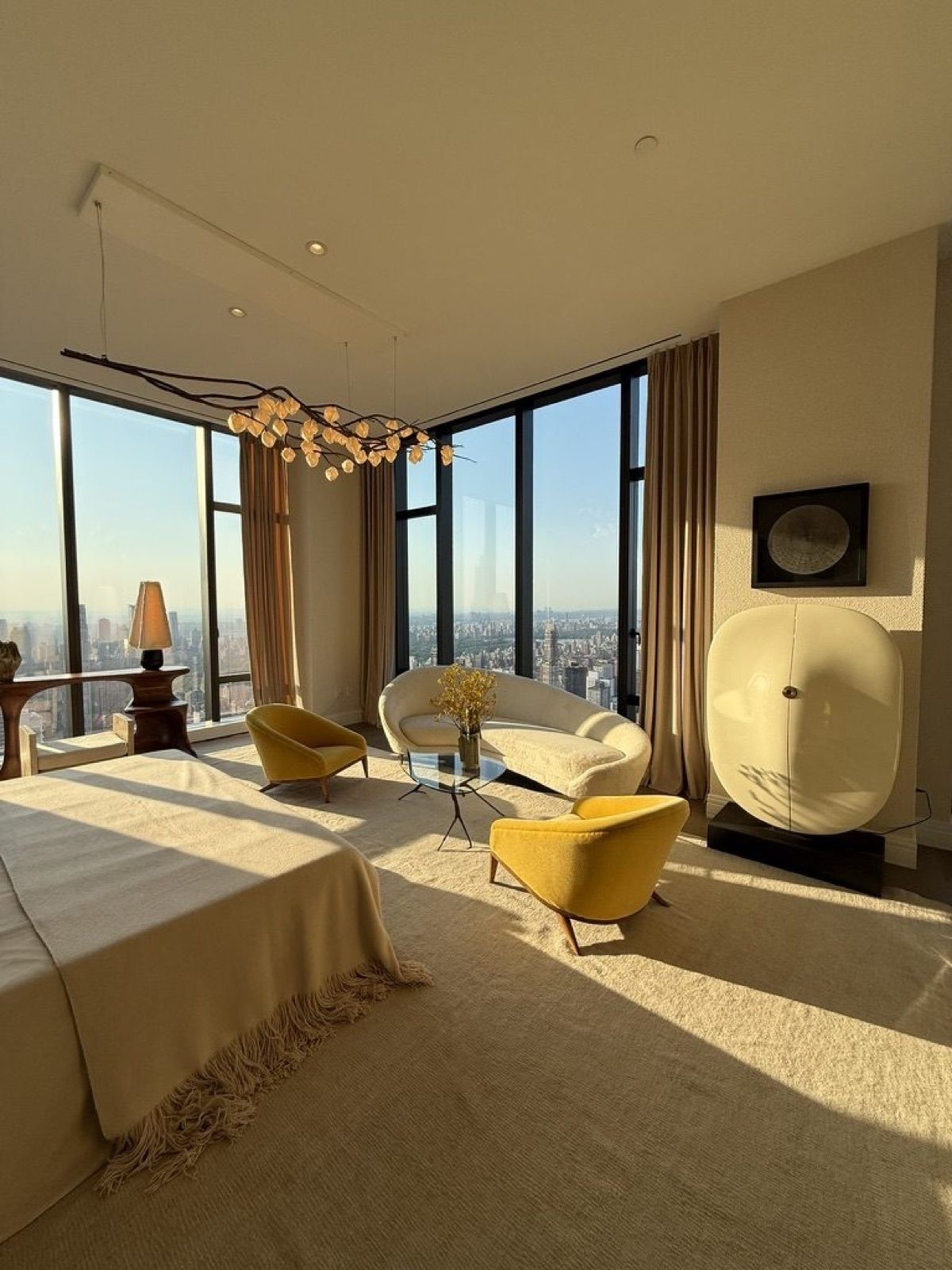
By the weekend the write-ups are out, and they tell you what Thursday was for. The market leads: a flight to quality, the hard-asset turn, seven-figure sales landing in the first hours of the preview. Then the spectacle. Kathleen Ryan’s giant rotting fruit just inside the entrance at Gagosian, the mould picked out in pearls and semiprecious stones. Salon 94’s booth dressed like a collector’s apartment. One dealer, doing his laps, called it the best TEFAF in years, and the reporting caught the mood: crowded, bullish, warm.
What the coverage mostly leaves out is the work itself. That’s not a failing in the writing, it’s the same truth seen from the other side. Thursday gives you the event and the market. It doesn’t give you time to look.
So you go back. Mid-morning on a quieter day, when there’s room in the aisles. This is when TEFAF becomes the other thing it is, and the reason the design and decorative-arts people come at all.
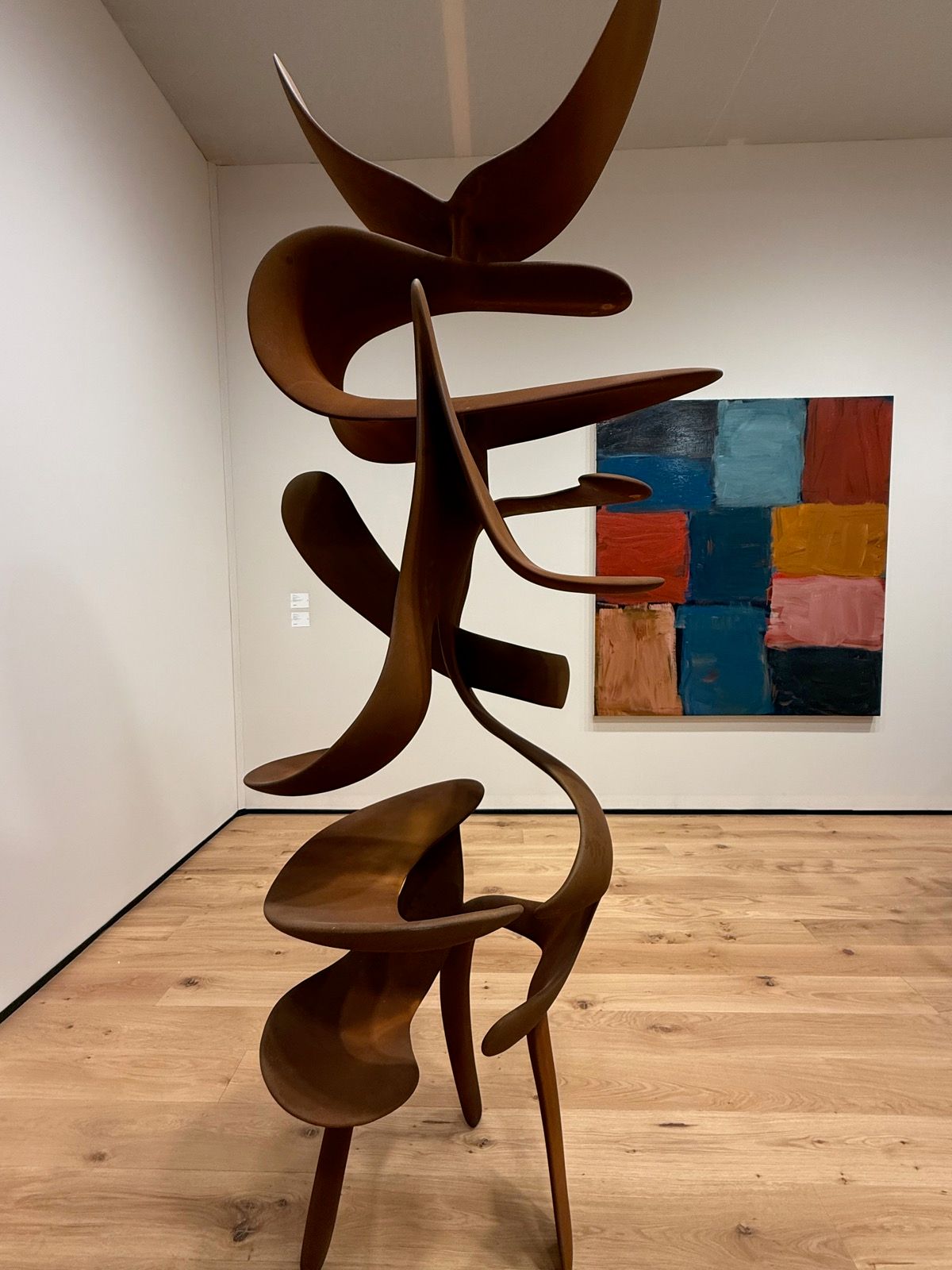
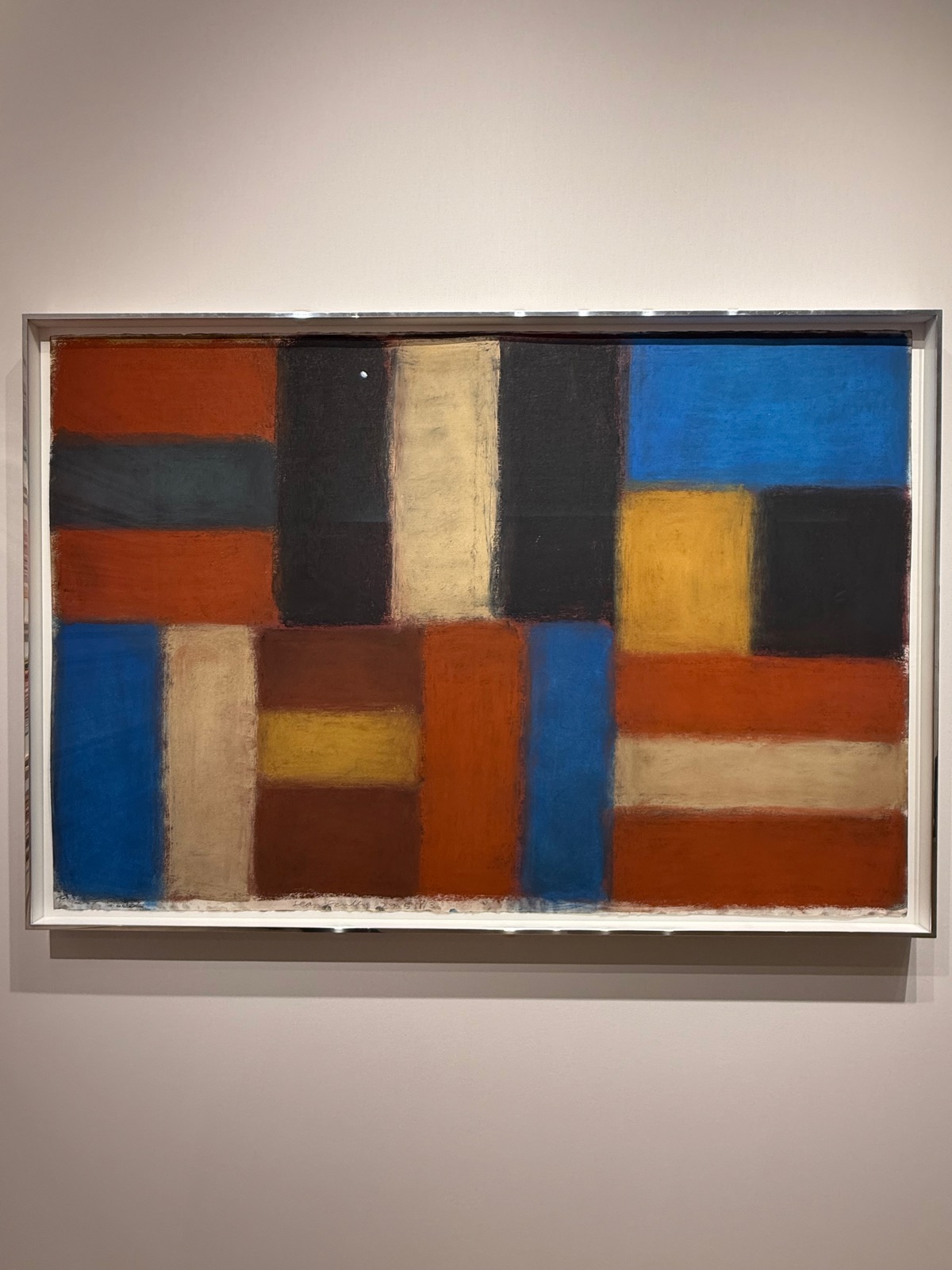
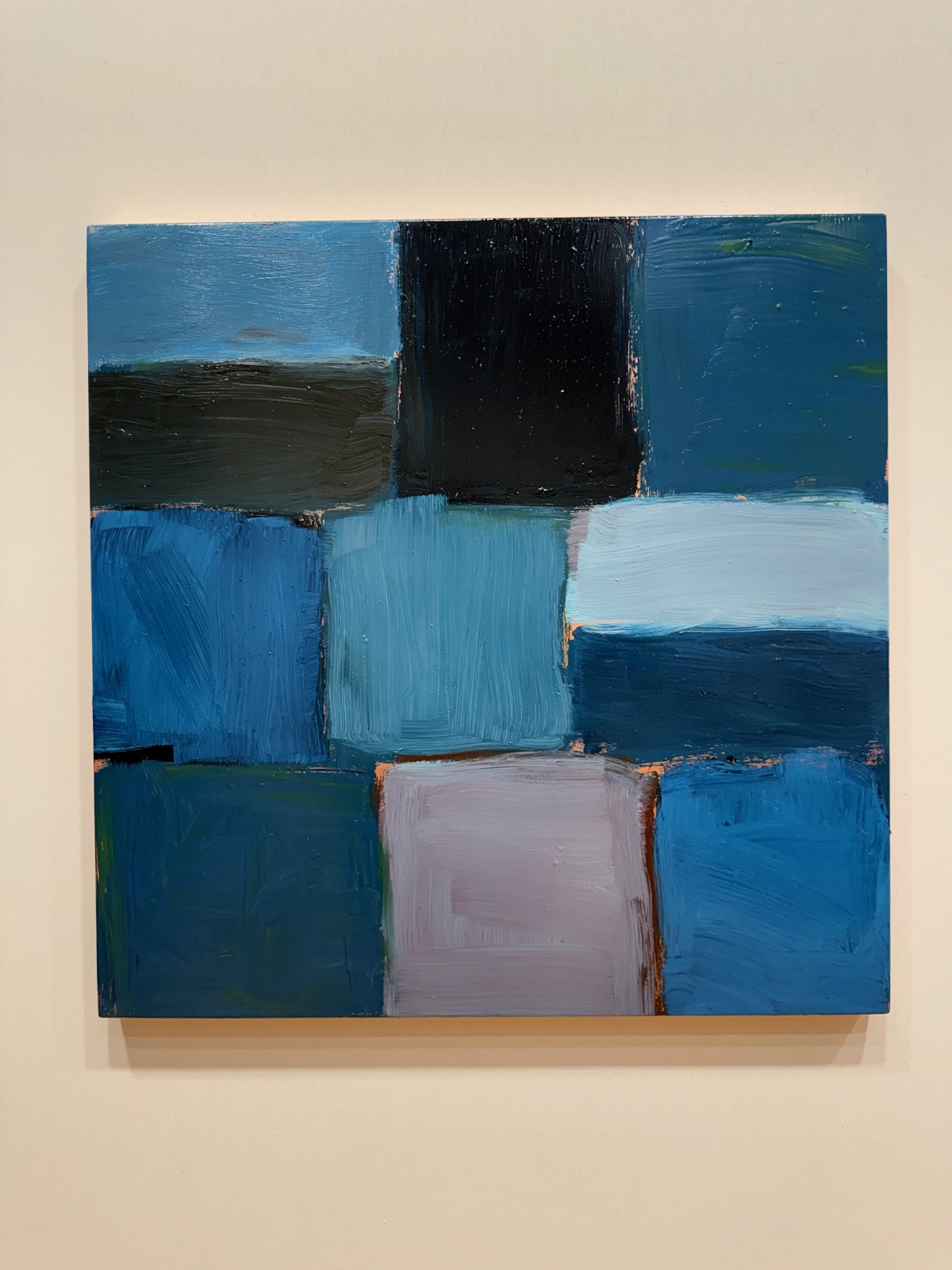
Sean Scully is at two dealers at once, which is its own small lesson. A 2013 pastel at Anthony Meier, a strict grid of blocks, its provenance running back through John Berggruen, himself back at the fair this year after three years away. And three 2026 oils at Lisson, the Wall pictures, edges looser and the paint denser on copper. 13 years between the grids, and you can watch the structure soften in front of you. A month later the same Wall series surfaced in London at the Royal Academy Summer Exhibition, one canvas hung as number 914 at £373,000.
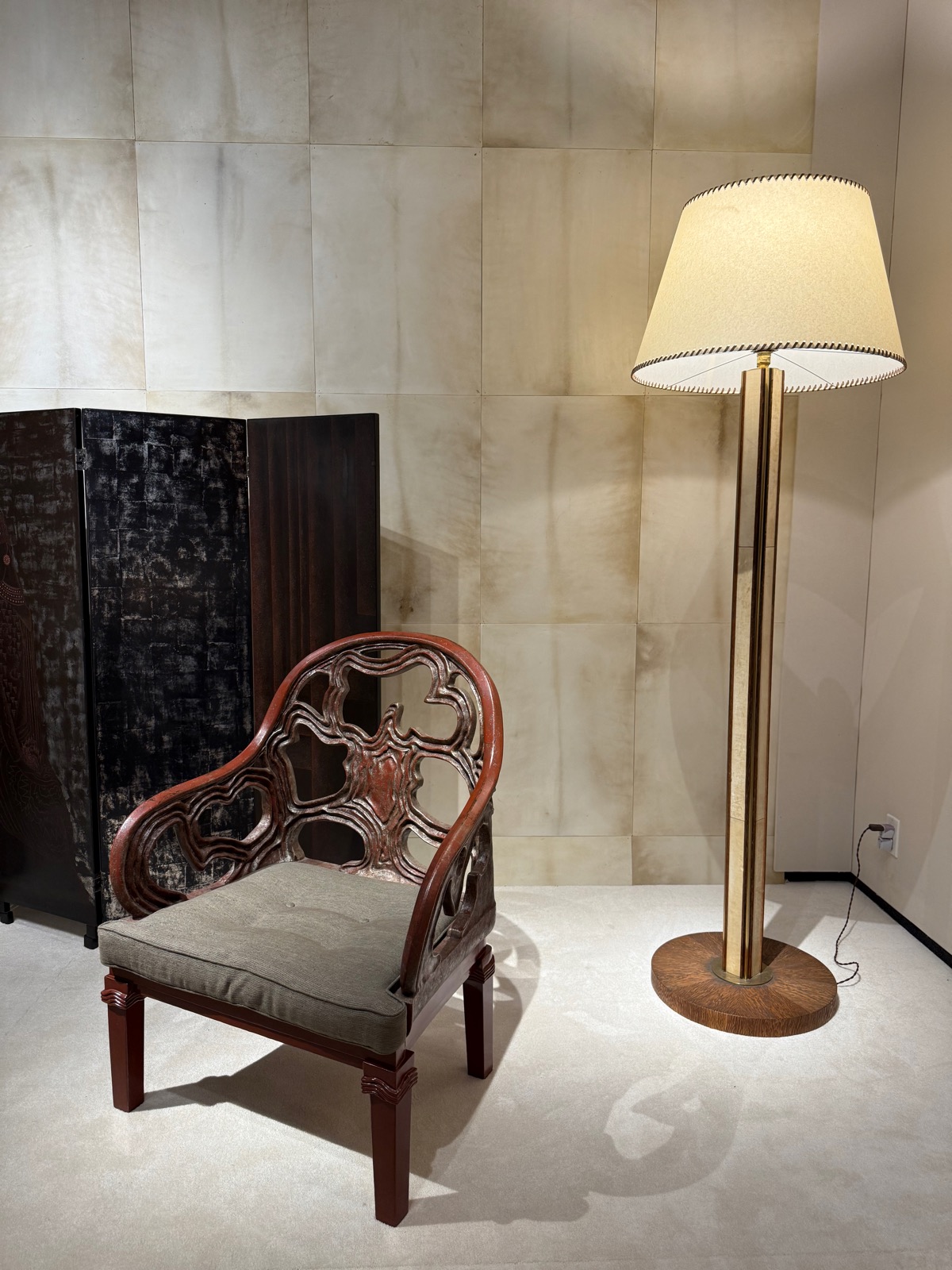
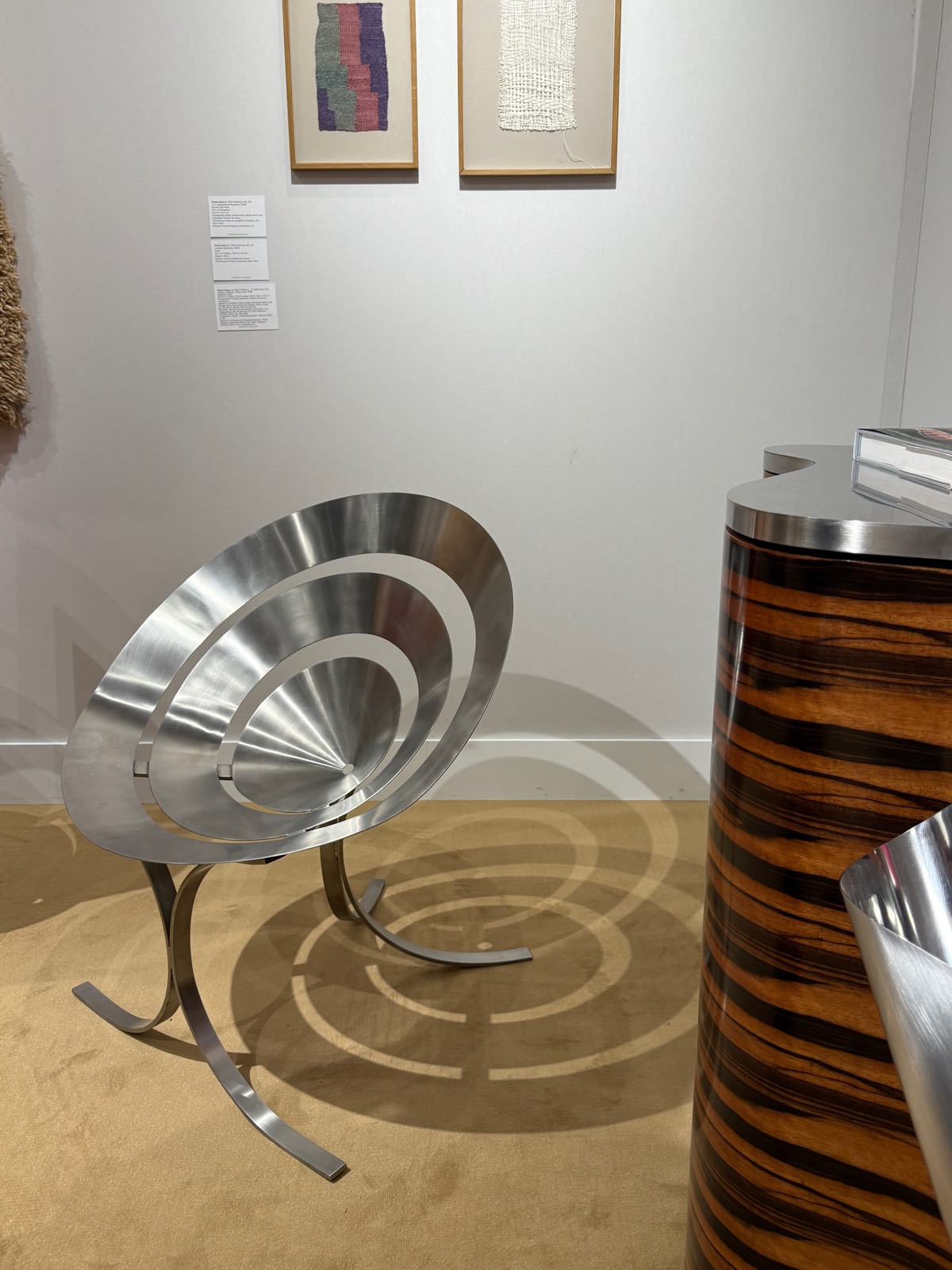
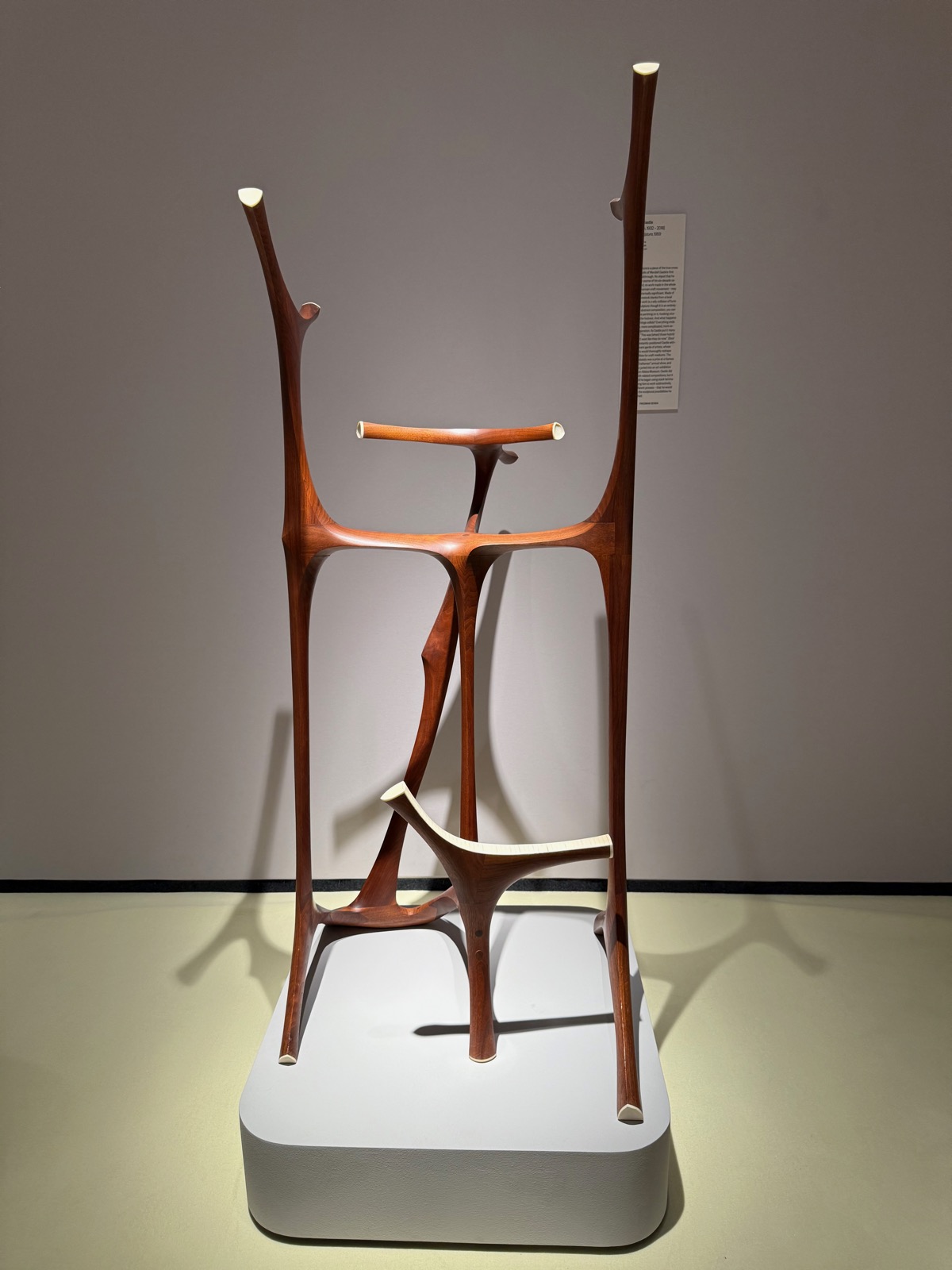
Then there’s the decorative-arts depth nobody wrote up. Galerie Marcilhac’s parchment-walled Deco, with a Sugawara head that turns out to be the documentary trace of Eileen Gray’s apprenticeship in lacquer. Maria Pergay’s stainless-steel ring chair at Demisch Danant. Wendell Castle’s 1959 stool at Friedman Benda, which the dealer’s wall text framed, not modestly, as a relic of the moment American craft became art.
On the Sunday afternoon I’m in the Veterans Room for Scully and Cragg in conversation, an hour on material and form put together with Apollo. It’s the Lisson booth made audible. Cragg’s Incident sculptures and Scully’s Wall paintings, the same pairing I’d walked past on Thursday, now explained by the two men who made them.
The work was still there on the Sunday. Most of the crowd wasn’t. That’s the better day to look.