Denby Pottery entered administration on 31 March. By June, production in Derbyshire had stopped after 217 years.
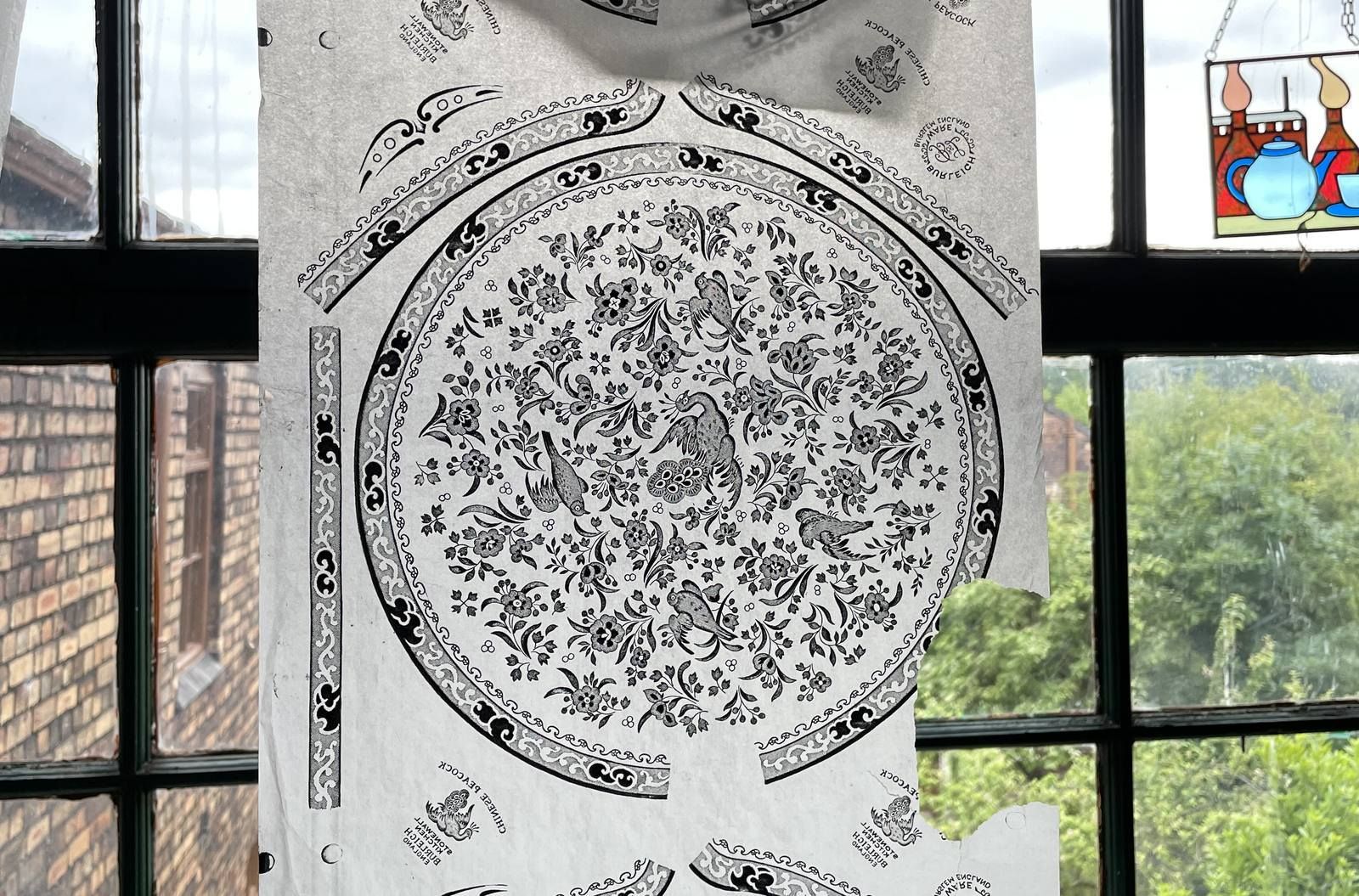
Burleigh, then part of the same group, had a different ending. Christopher Bailey and a small group of investors bought the pottery, preserving all 62 jobs and production at Middleport in Stoke-on-Trent.
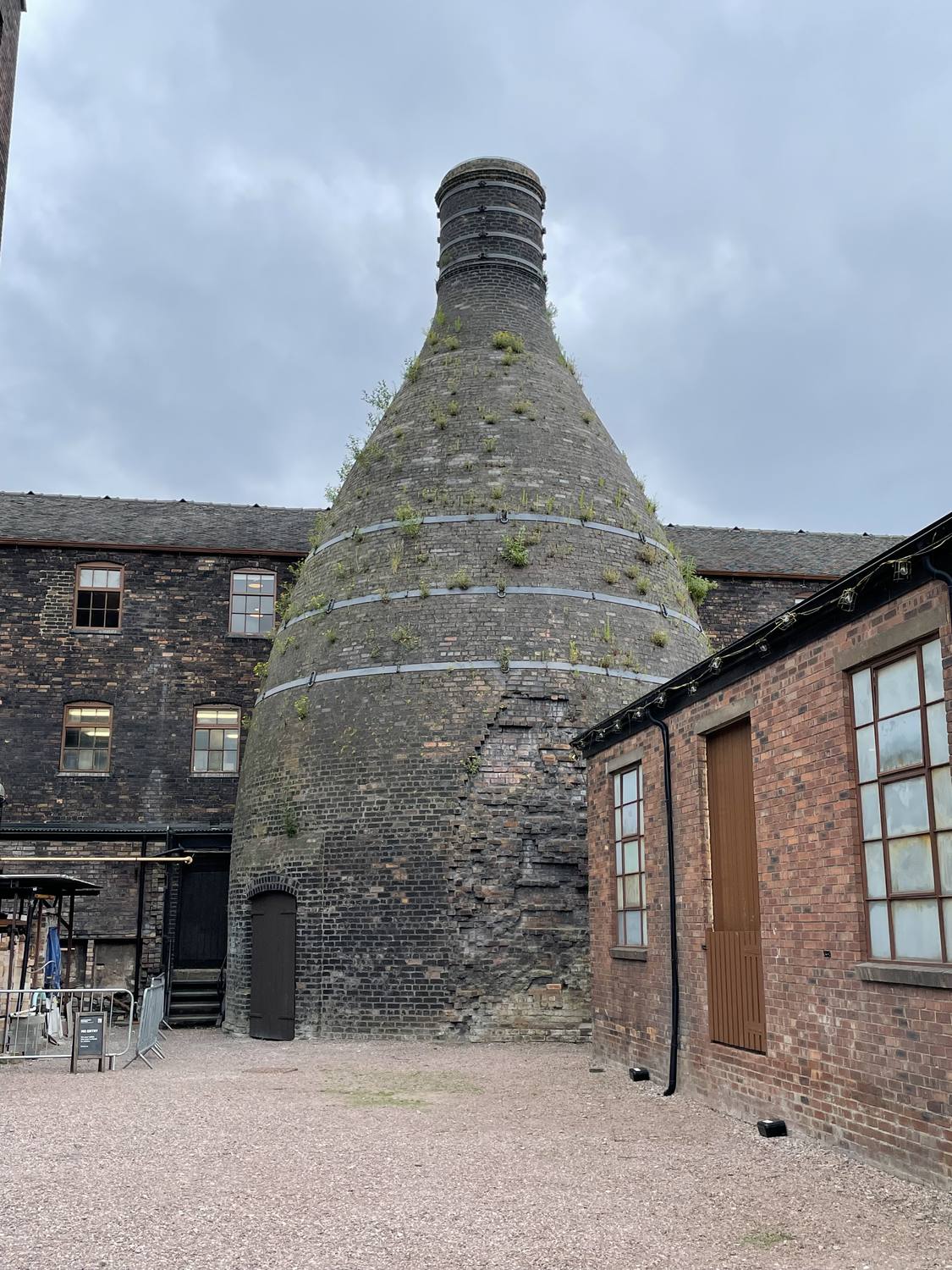
Two British heritage names. At one, the kiln went cold. The other kept its team, factory and methods together.
That difference made me think about what we are able to protect when we say that a brand is part of our heritage.
What does legislation say?
I began by wondering whether craft needed something resembling the protections that we give to food. The comparison seemed straightforward. Stilton Blue Cheese is a Protected Designation of Origin. The name belongs to cheese made within a defined area and according to a registered specification. Why should the same principle not apply to pottery, glass or textiles?
I started to look at how other countries approach this. The more I looked, the less straightforward the comparison became. Of course it did. Protecting the name of an object is not the same as protecting the knowledge required to make it.
It is also impossible to separate that knowledge neatly from location.
Place is not simply a boundary drawn on a map. In a craft industry, it is the clay or fibre, the adapted machinery, the workshops, suppliers and colleges, and the concentration of people who know how a material behaves and what its limits are. It is where knowledge accumulates and passes between generations.
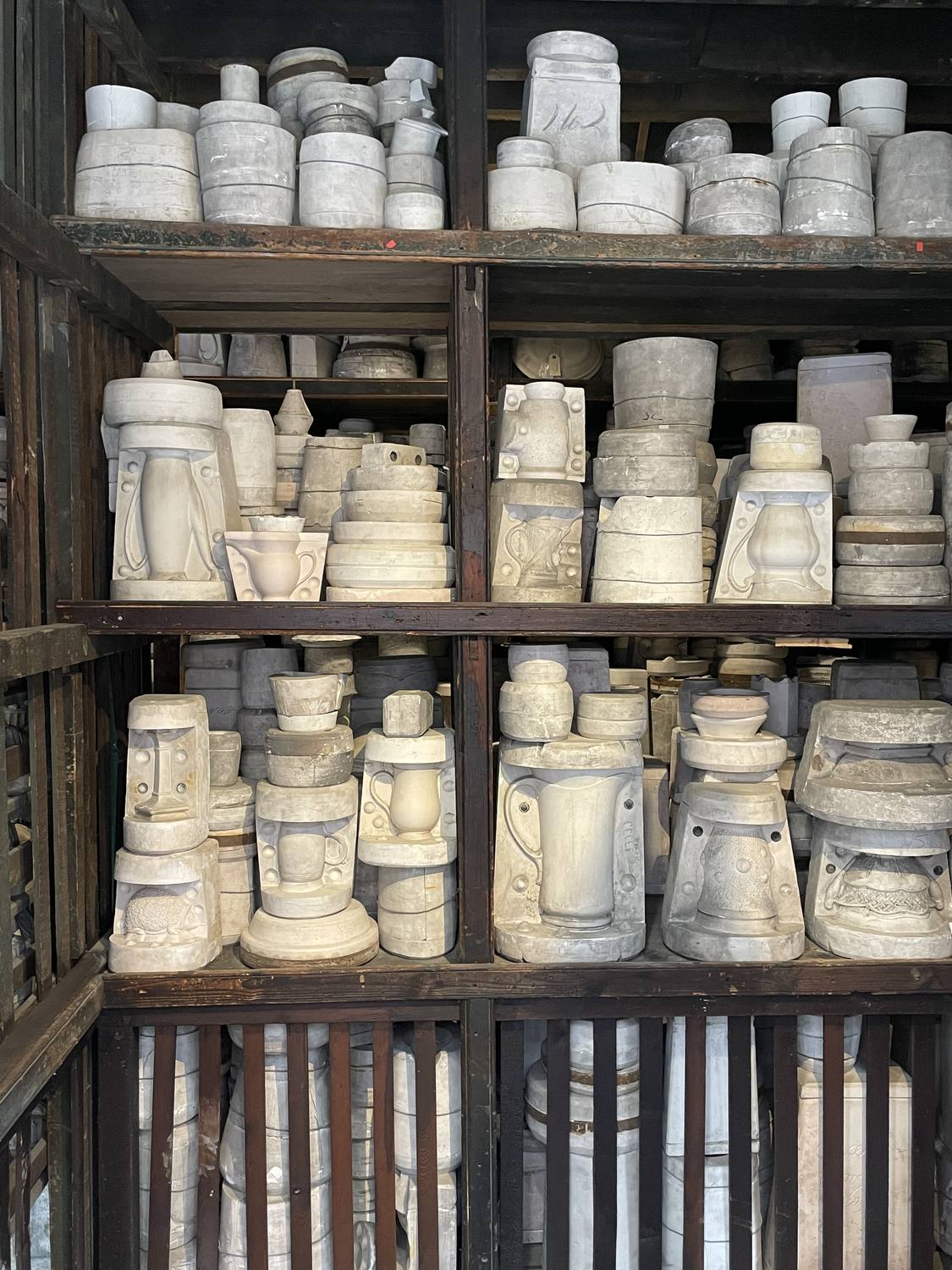
The hand, material and place are not separate parts of the story. Combined, they make the object. Any meaningful protection would need to hold all three together.
What Britain already does
In Britain, the clearest model is Harris Tweed. Its 1993 Act reserves the name for cloth made from pure virgin wool dyed and spun in the Outer Hebrides, handwoven by islanders at their homes there, and finished in the Outer Hebrides. The place, material, people and sequence of making form one legal definition under the name Harris Tweed.
For most non-food crafts in Great Britain, however, protection falls under trade mark law. A certification mark can certify origin, material, method or quality. A collective mark identifies the goods of an association’s members. These tools can carry detailed rules, but an organisation must create, administer and enforce them.
Britain is also developing its first living-heritage inventory, with craft among its seven categories. That can recognise a practice and the community sustaining it. It does not, by itself, reserve a product name or stipulate how a commercial object must be made.
There is now a further distinction inside the UK. Northern Ireland falls within the EU’s new geographical-indication system for craft and industrial products. Great Britain continues to use the trade mark route.
Five different models
| Country or system | What is protected | How place enters the protection |
|---|---|---|
| United Kingdom | Harris Tweed has its own Act. Other crafts may use certification or collective marks. | The Harris Tweed definition binds the material, workers and every stage of production to the Outer Hebrides. Elsewhere, the link depends on the rules written for a particular mark. |
| France and the EU | The EU protects registered craft and industrial names. France also awards the five-year, renewable Entreprise du Patrimoine Vivant label to companies with exceptional artisanal or industrial knowledge. | The Limoges porcelain specification requires every production stage to take place in Haute-Vienne. EPV recognises a different unit: the company carrying the knowledge. |
| Mexico | The denomination of origin Talavera protects the name for the defined Talavera zone in Puebla. A national standard governs the product. | Territory and compliance with a production standard are joined. Being made in the region is necessary, but so is making the qualifying object. |
| Japan | Traditional Craft Products are designated through criteria covering everyday use, handmaking, longstanding techniques and materials, and a regional production base. A separate system recognises holders of Important Intangible Cultural Properties. | One system protects a regional industry. The other recognises the individual or group embodying a technique and funds transmission to successors. |
| India | India’s Geographical Indications Act expressly includes handicrafts. Producer organisations can register a name and makers can become authorised users. | A craft’s identity is held collectively through its producers and its connection to a territory, rather than owned as one company’s brand. |
These are not five versions of the same badge. They place the legal protection around different things: a product name, a production specification, a company, a community of producers, a technique or a recognised practitioner.
The useful distinction is not between where it is made and everything else. Each system acknowledges that craft happens somewhere. The difference is how much of the relationship surrounding that place the system can hold together.
For ceramics, protecting “Stoke-on-Trent” as a name would mean little if the potters, mould makers, transfer printers, kilns and factories disappeared. Equally, recording the skills without protecting their commercial value could leave a tradition perfectly documented and no longer practised.
The harder question
I started by researching what happens to a heritage brand when it enters administration and ended up thinking about what, exactly, protection can preserve. The answer is larger than the name. Craft depends on an ecosystem of people, materials, machinery, knowledge and place.
Legal frameworks can help keep those elements connected. They cannot, by themselves, keep a kiln hot or a loom running. The harder question is how that ecosystem remains economically and materially alive.
I am still wrapping my head around that one.
Frequently asked questions
Does Britain protect craft the way it protects food names? Not generally. Stilton has a Protected Designation of Origin, but for most non-food crafts Great Britain relies on certification and collective trade marks, which an organisation must create and enforce itself. Harris Tweed is the exception, with its own Act of Parliament. Northern Ireland now falls within the EU’s geographical-indication system for craft and industrial products.
What does the Harris Tweed Act protect? The 1993 Act reserves the name for cloth made from pure virgin wool dyed and spun in the Outer Hebrides, handwoven by islanders at their homes there, and finished in the Outer Hebrides. Place, material, people and the sequence of making form one legal definition.
What is a geographical indication for craft? A protected name tied to a defined territory and, usually, a registered way of making. Limoges porcelain must be produced in Haute-Vienne at every stage, Talavera in its zone of Puebla to a national standard, and India’s Geographical Indications Act lets producer organisations hold a craft name collectively.