Six title walls, six rooms, and not a shared look between them.
This is what the show at MoMu wants you to see. Dirk Bikkembergs has footballs scattered across the marble and his collections lit on backlit panels. Walter Van Beirendonck’s room is loud with painted faces and topiary hair. Dirk Van Saene lines up a platform of mannequins, each crowned with a different sculpted head, and behind them a wall of more, one per season, 1998 to 2019. Ann Demeulemeester works in fur and silk and a sober dark palette. Dries Van Noten hangs various embroidered coats so dense they read as armour. Marina Yee signs her wall by hand.
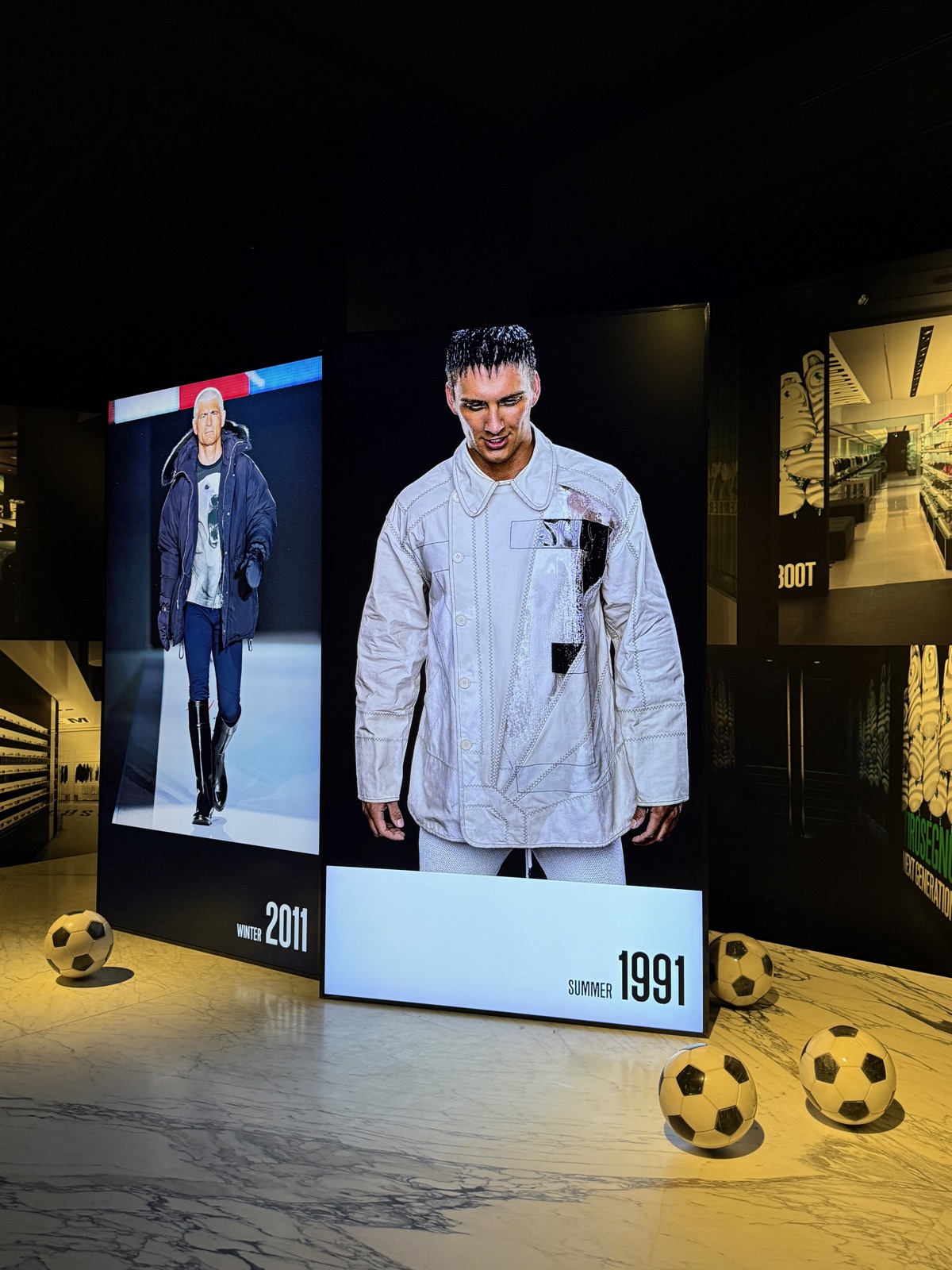
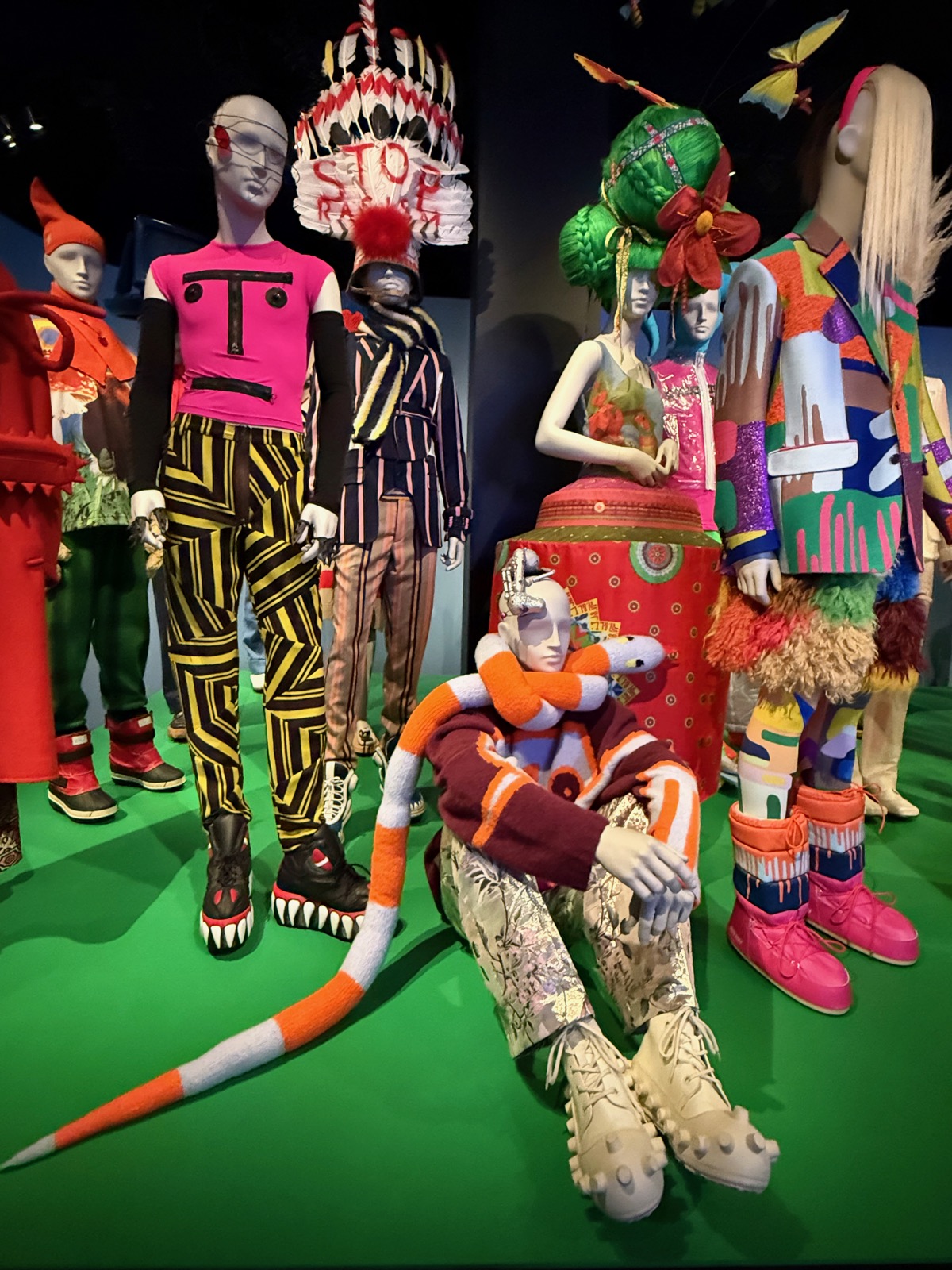
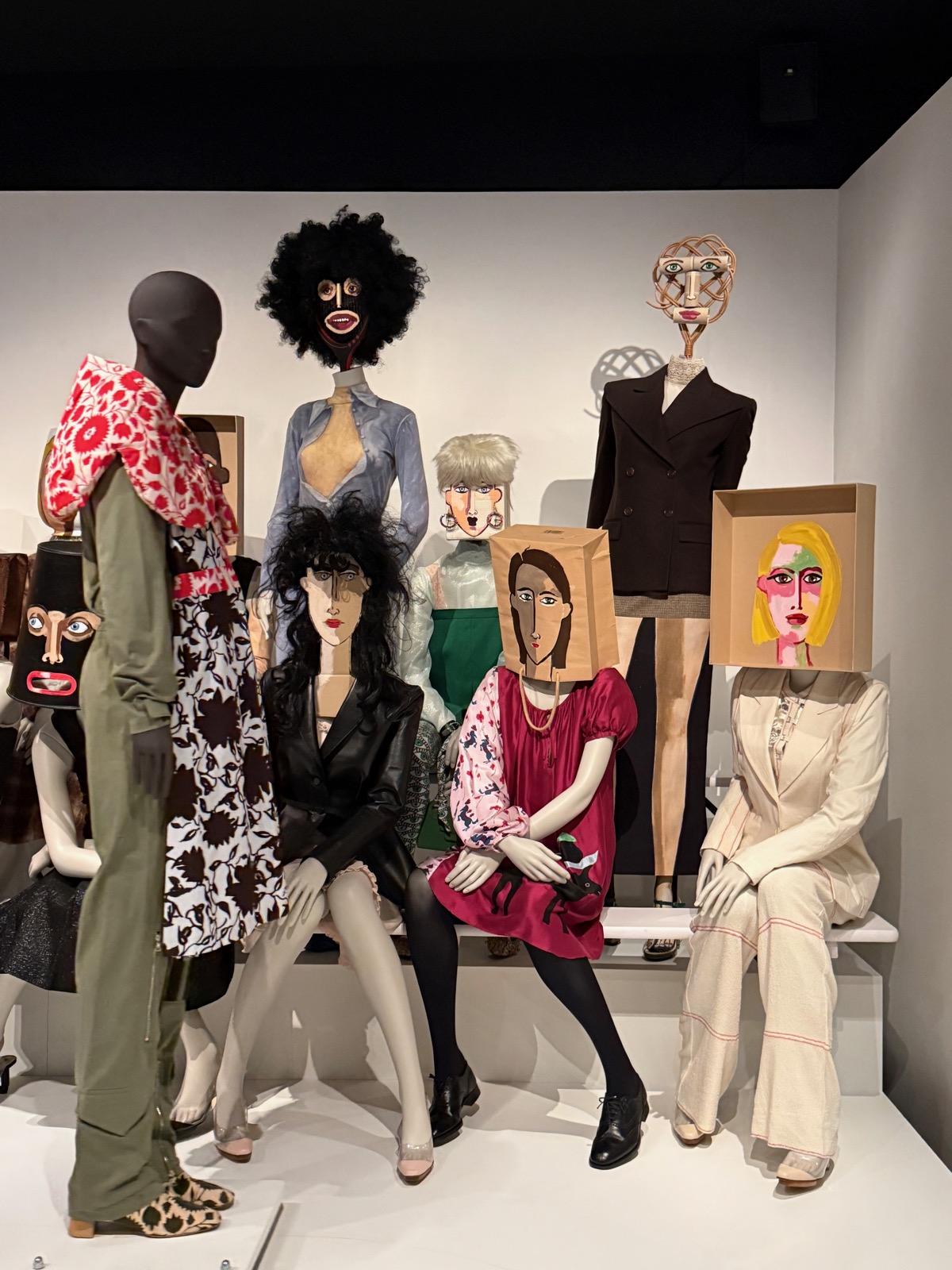
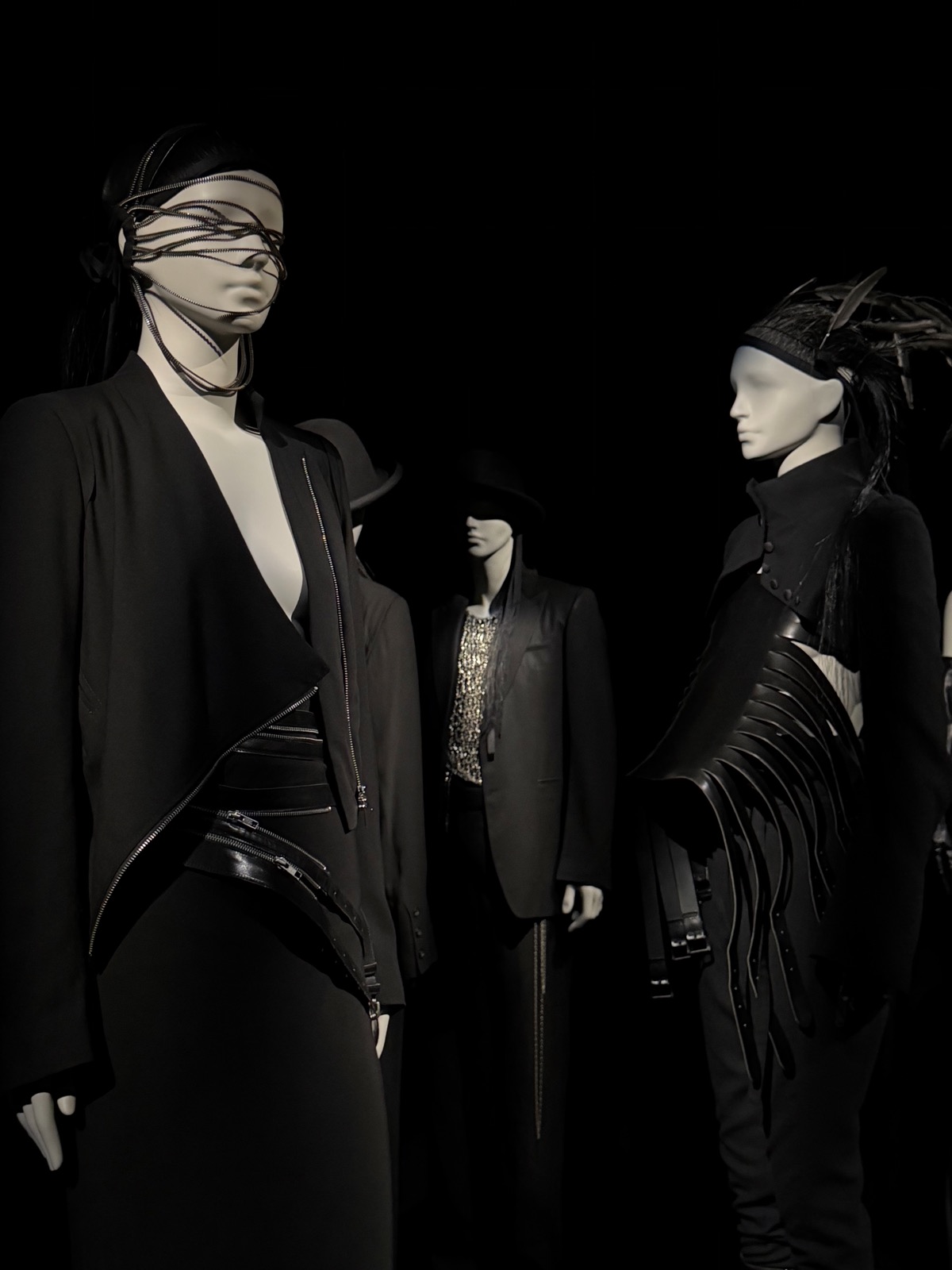
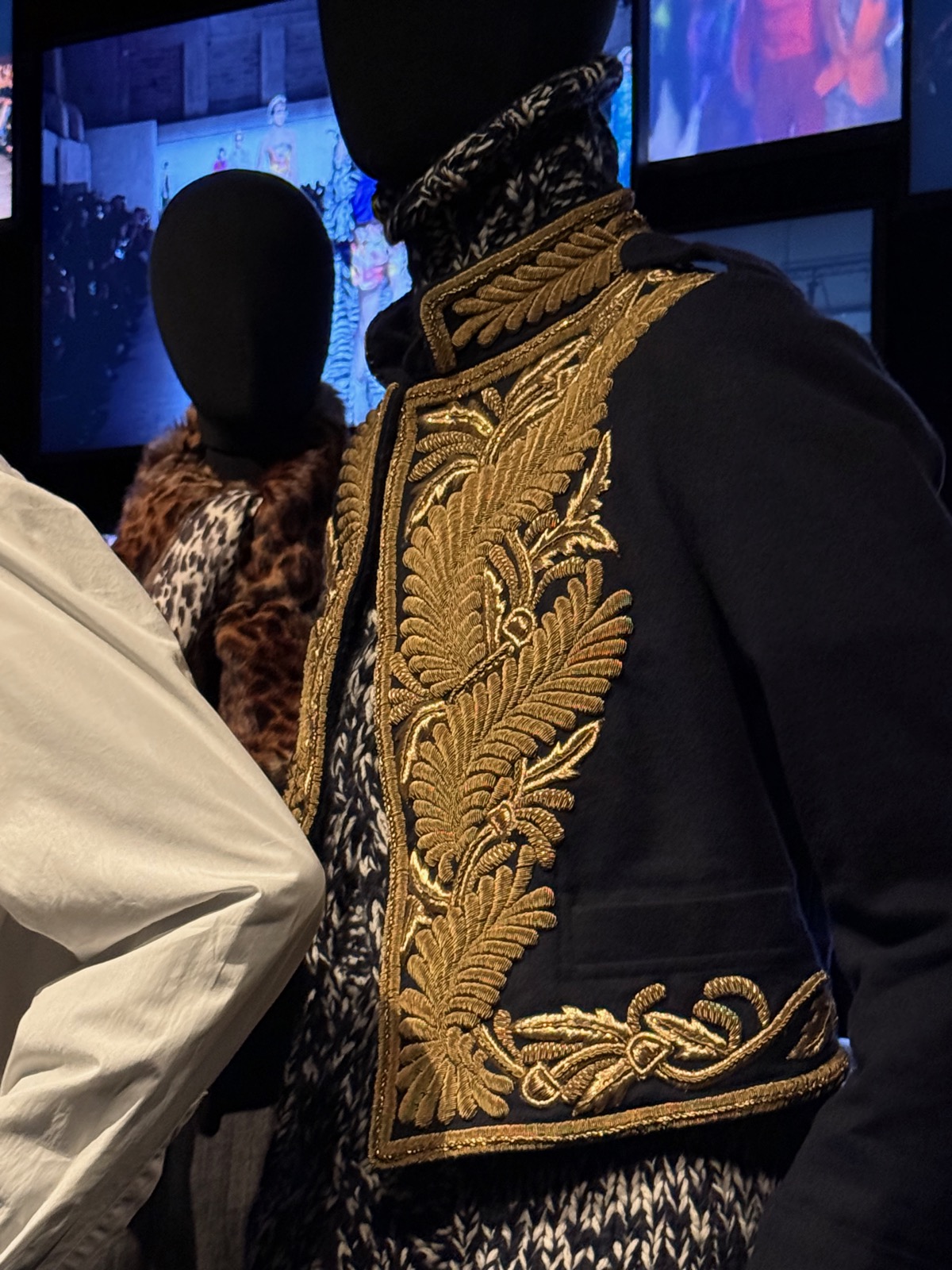
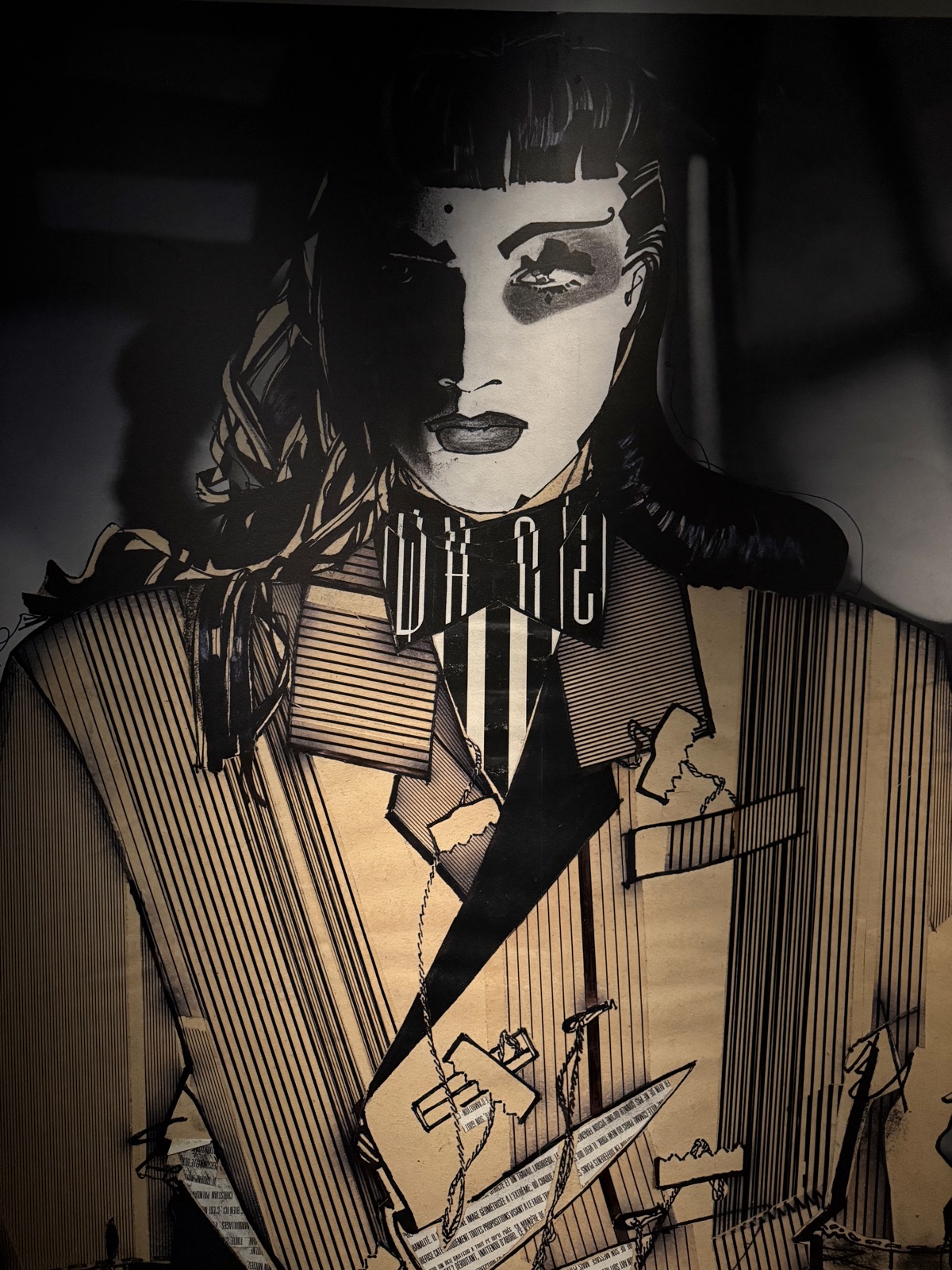
The six sections at MoMu, Antwerp.
Same school. Same teacher. Same city. And six people whose works look nothing alike.
The easy story is the one everyone tells. Six hungry students, a rented van, a trade fair in London, fame more or less overnight. It is true, but the more interesting part is the question the show raises and leaves you to think about. Most art schools turn out a handful of strong graduates a year who then scatter and are never heard of again. This one classroom produced six fashion houses still standing 40 years on. How?
The answer comes in two halves, and the second half is the lesson that applies to all creatives.
The first half is craft, and it was hard-won. The Six trained in the fashion department of the Royal Academy of Fine Arts under Mary Prijot, who founded it in 1963 and ran it with firm views about hemlines. Her teaching was classical, exacting, drawing-led, pointed at a kind of Parisian elegance the students were already itching to leave behind. They found her dry. What they took from those rooms was discipline all the same: the long grind of learning to cut, draw and finish, in a department that sat next to the graphic designers, the photographers, the jewellers and the sculptors. You can see that adjacency in the work. None of them designs like someone who has only ever looked at clothes for inspiration.
So far, so familiar. A good school, a strict teacher, talented students. That combination exists in many places, and it produces talented people who never build anything that matters. Craft, on its own, makes graduates.
The second half is commerce, and this is where Antwerp was different. The Six graduated into a scaffold someone had built on purpose.
Belgium’s textile and clothing industry was in deep trouble at the start of the 1980s, and the government’s answer was a plan to revive it. The plan paid for things. Tuition was subsidised. Production was funded. In 1982, the industry launched the Golden Spindle, a competition that provided young designers with a platform and encouraged them to work with Belgian manufacturers. Demeulemeester won the first edition. A national campaign deliberately and at scale put the word “Belgian” next to the word “fashion” for the first time.
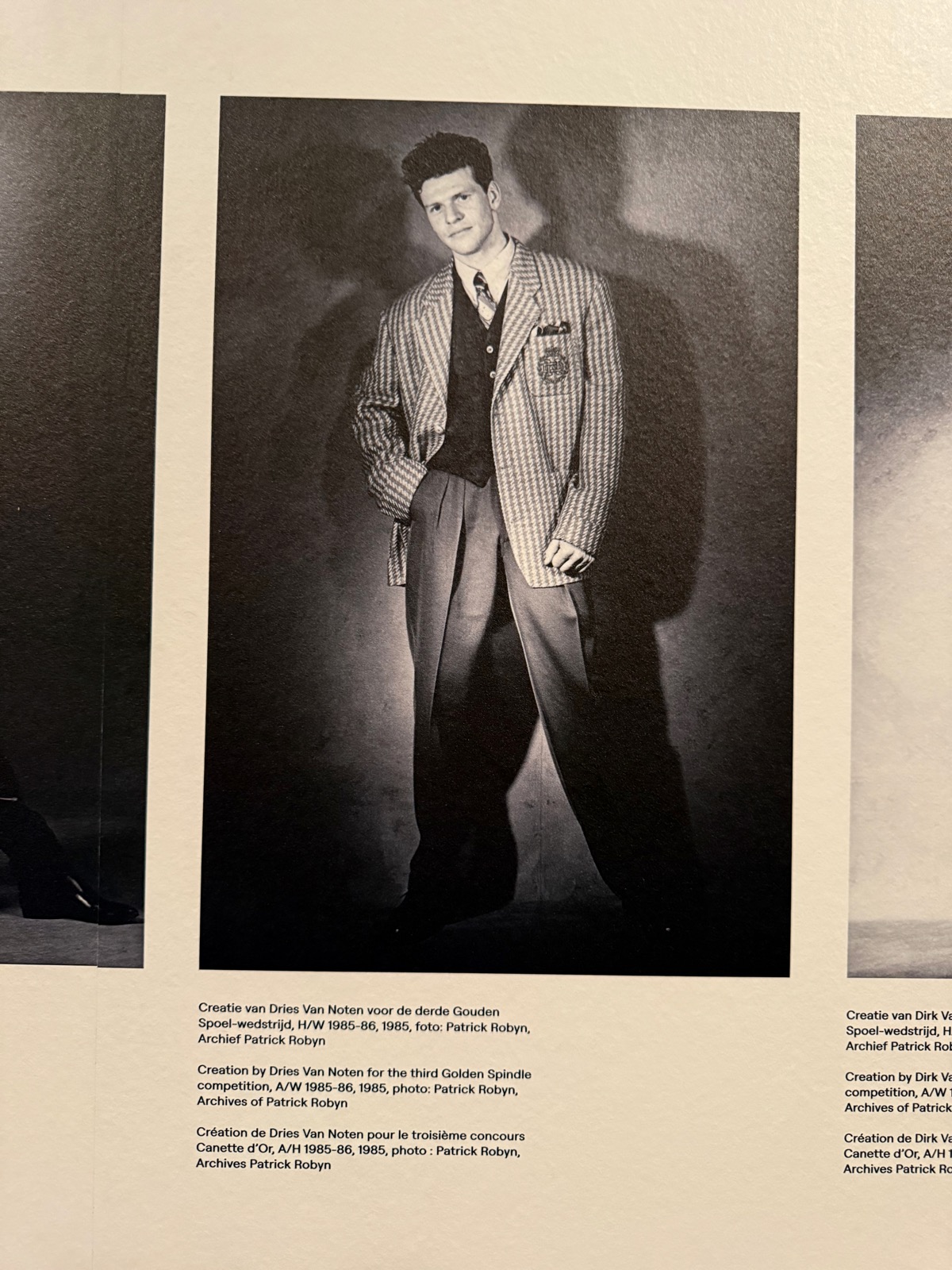
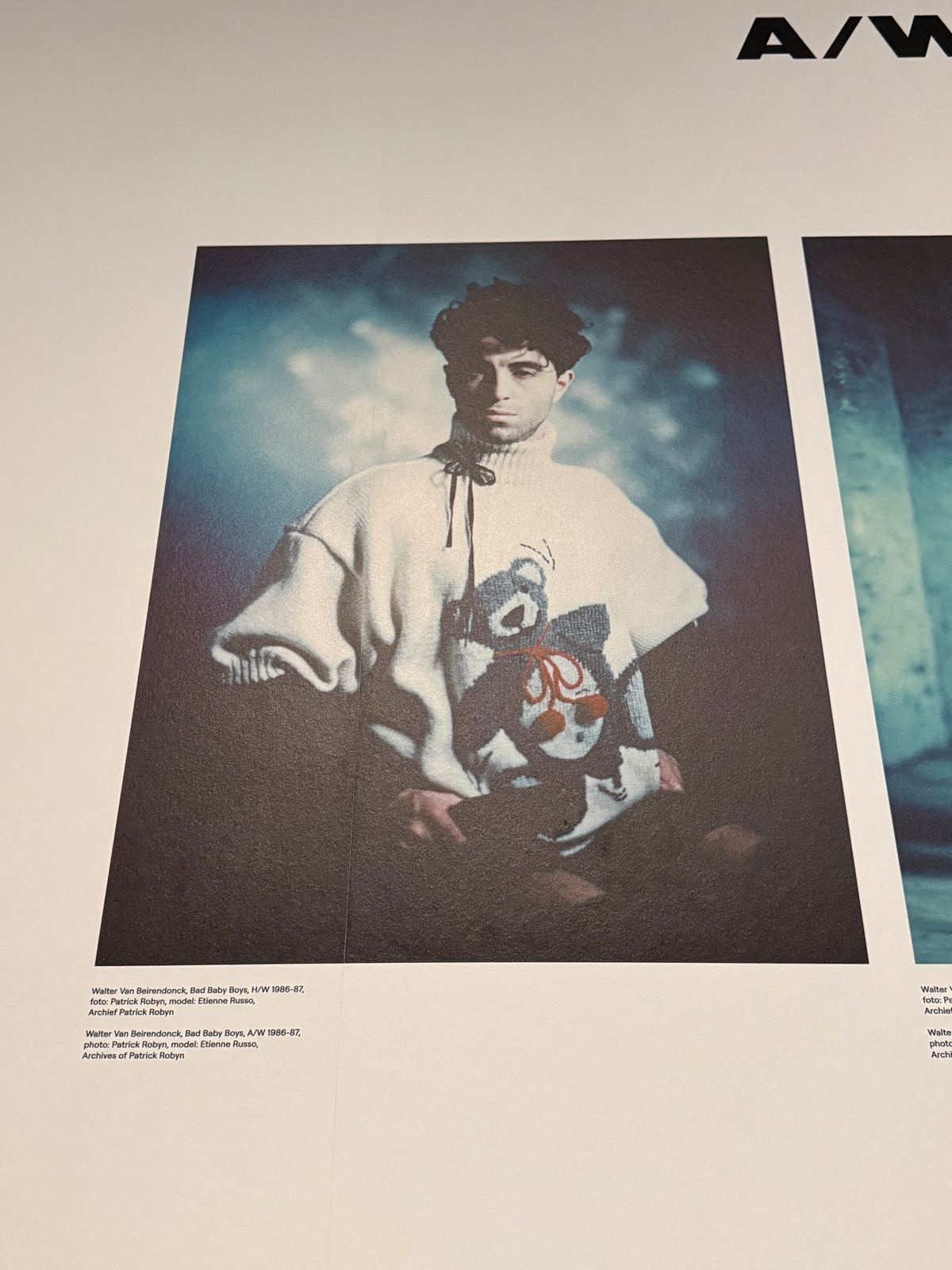
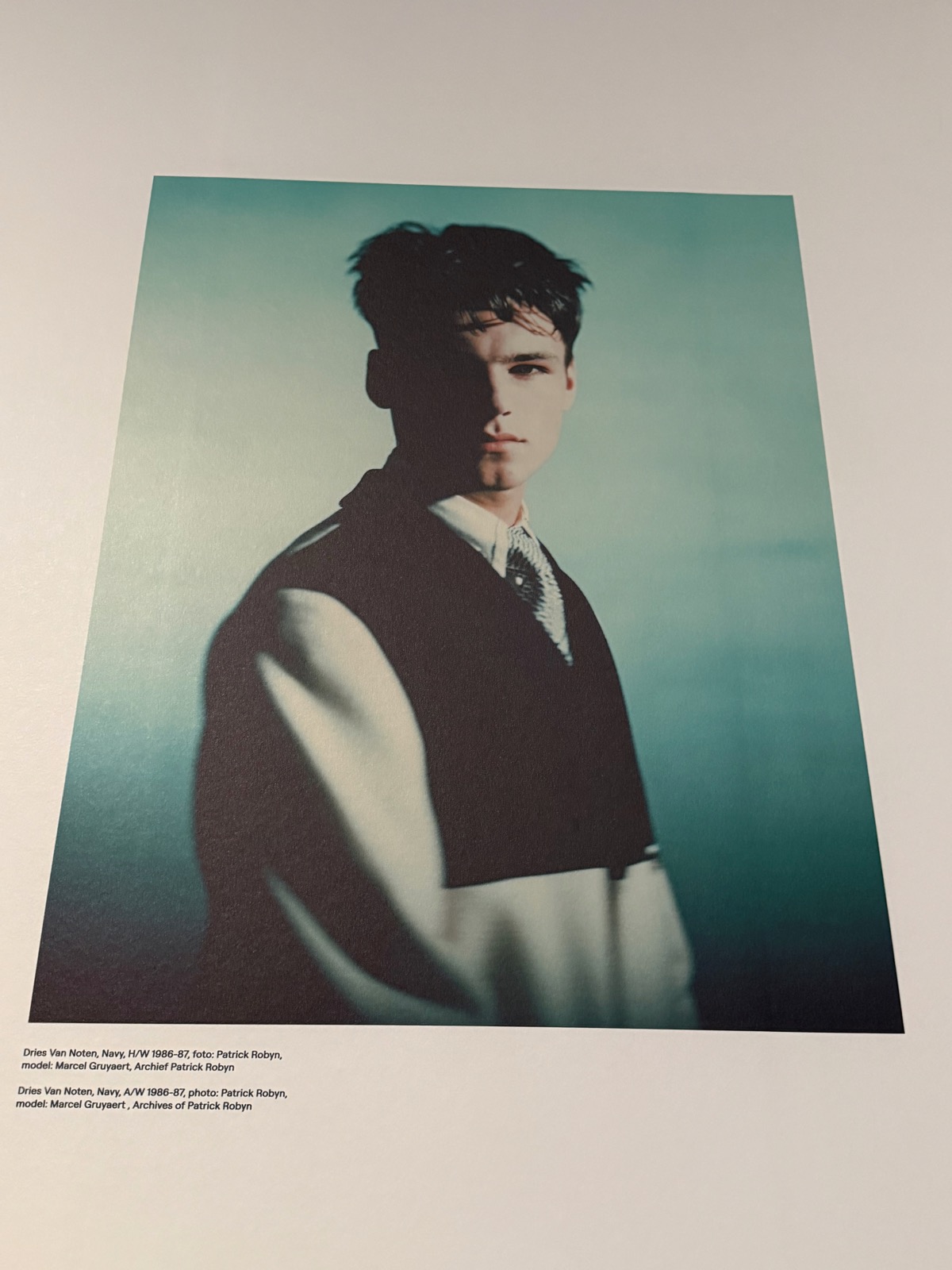
Archive press images from the early years. Photographs by Patrick Robyn. Archief Patrick Robyn.
All of this mattered. It created the difference between a designer with a good collection and a designer with a good collection, a manufacturer who can make it and a reason for a buyer to take the meeting.
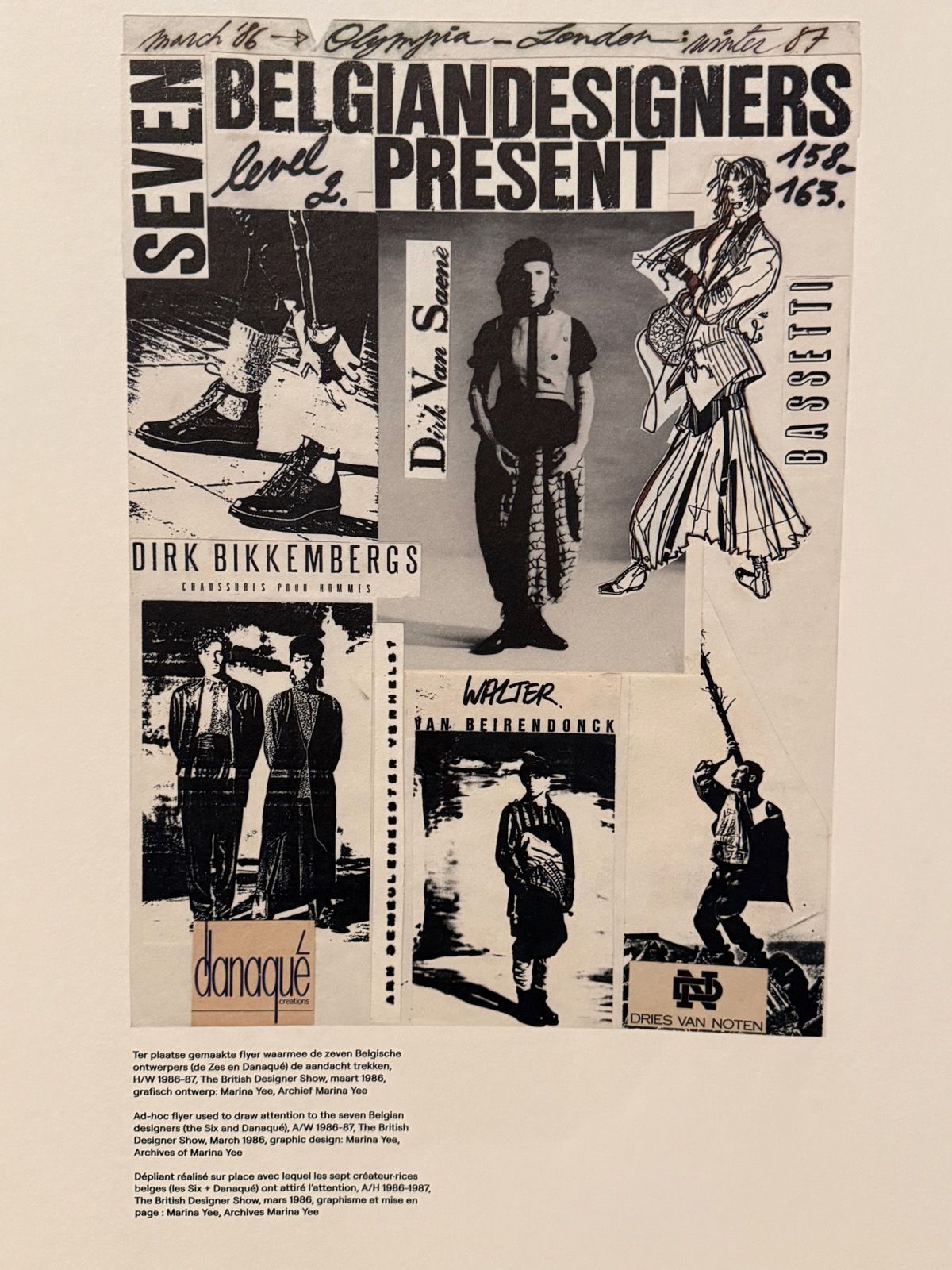
In 1986, five of them packed a van and drove to the British Designer Show at Olympia, a trade fair that fed into London Fashion Week. They were handed a poor stand upstairs, marooned among the bridal wear. Rather than sit in it, they photocopied their own flyer and worked the floor below until the buyers came up. It worked. Van Noten sold the collection to Barneys. The press could not manage the Flemish names, so it called them the Antwerp Six, and the label stuck to a group of people who never once worked together.
There is a line in the film at the show that summed this all up for me. You’re not a fashion designer if you’re not selling. I did not catch who said it. In a museum full of beautiful clothes, it sounds almost rude, and it is the one thing on every wall that the work actually depended on.
I see this constantly in my work. A ceramicist with a kiln, a real eye, and no idea how to price a pot. A furniture maker whose work is better than anything in the showroom, who will not return his calls. A studio of three with a shared bench and no shared plan for who sells what. The talent is almost never the problem. It is the scaffold that is missing: the grant, the fair stand, the gallery that takes the meeting, and the nerve to stand in the room and ask for the order.
Craft alone makes graduates. Craft and a commercial structure, built on purpose and worked hard, make institutions.
And on that note, the Fondazione Dries Van Noten opened in Venice this year.